




UK floating offshore wind could supply one-third of offshore capacity by 2050
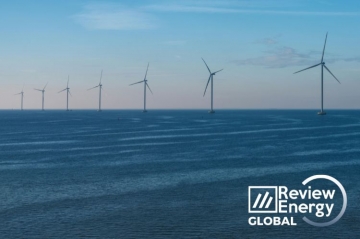
Floating offshore wind could account for around one-third of the UK's offshore wind capacity and generate 175 TWh of electricity annually by 2050, according to a new report by Heligan Group, which warns that achieving this potential will require significant investment in port infrastructure and marine logistics.
The report forecasts that the UK's floating offshore wind capacity will exceed 10 GW to 15 GW by 2030. It also points to the Floating Offshore Wind Taskforce's 2024 strategy, which identifies a £47 billion investment opportunity and estimates the sector could support up to 97,000 jobs.
Heligan notes that UK government auctions, including the Celtic Sea leasing round completed in 2025, have already awarded up to 4.5 GW of floating offshore wind capacity, creating a substantial project pipeline for the coming years.
However, the report stresses that delivering this pipeline will require reinforced ports, heavy-lift capabilities and expanded marine logistics to support the assembly and deployment of floating wind turbines.
According to Heligan Group, no UK port is currently equipped to support commercial-scale floating offshore wind deployment, making port infrastructure one of the sector's main bottlenecks.
The report highlights several investments aimed at addressing this challenge, including £55 million for the Port of Cromarty Firth to support floating wind manufacturing, more than £500 million from Associated British Ports to develop Port Talbot as a hub for the Celtic Sea, and an estimated £3.5 billion needed by 2030 to upgrade as many as 11 UK ports.
Heligan also notes that reforms under the EU-backed Green Deal Industrial Plan, together with national support schemes, are accelerating port infrastructure investment across Europe.
"Delivering this future will require industrial-scale infrastructure," said Andrew Dickinson, Head of Infrastructure Services at Heligan Group. He added that the UK already has one of the world's largest floating offshore wind project pipelines and leads many markets in project development, with more than 30,000 people currently employed in the UK's bottom-fixed offshore wind sector. However, he warned that the country risks falling behind if it fails to develop the infrastructure needed for commercial-scale floating wind deployment.





Comentarios
Sé el primero en comentar...