




UK launches its first National Onshore Wind Energy Strategy
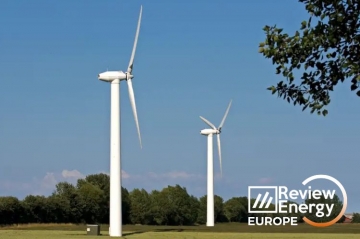
The UK Government has unveiled its first-ever National Onshore Wind Strategy, a landmark plan setting out over 40 concrete actions to unlock the full potential of this renewable energy source and support its Clean Power 2030 ambition of 27–29GW.
The strategy aims to revitalise up to 10GW of stalled projects, repower ageing turbines, and modernise planning and grid connection processes. All of this underpins the broader Clean Power 2030 mission – to deliver clean, affordable, and secure energy for every household and business in Britain.
End of an era: England’s onshore wind ban lifted
One of the new government’s most significant early moves was to lift the near-decade-long de facto ban on onshore wind in England, which had been in place since 2015. Within 72 hours of taking office, ministers reformed planning policy to give onshore wind the same planning status as other energy developments.
Jobs, investment and communities: The big winners
According to the Government, the strategy has the potential to more than double employment in the sector – from today’s 18,000 to around 45,000 direct and indirect jobs by 2030, in areas such as engineering, construction, and operations.
The Government will also update guidance on community benefits, offering £5,000 per megawatt installed per year to support local projects. If the 29GW target is met, this could result in up to £70 million annually going back into communities.
Removing barriers: Six pillars of reform
The strategy is structured around six key pillars to address longstanding challenges:
-
Planning and Consenting: Streamlining approval processes, updating technical guidance, and enabling small-scale projects through permitted development rights.
-
Grid Connections: Speeding up access to the electricity grid through a radical overhaul, including the implementation of the Strategic Spatial Energy Plan.
-
Community Engagement: Regional information campaigns and stronger guidance on best practice for developer-community engagement.
-
Defence and Aviation: Solutions to radar conflicts with both civil and military aviation, including technical trials and a stronger role for the Civil Aviation Authority as mediator.
-
Finance and Market Access: Reviewing the Contracts for Difference scheme and launching a government-industry subgroup to address financial barriers.
-
Supply Chains and Workforce: Research into UK industrial capacity and better tracking of employment trends in the sector.
Industry reactions: Strong momentum for onshore wind
The strategy has been welcomed across government and industry, with leaders highlighting its potential to enhance energy security, reduce costs, and generate quality jobs.
Ed Miliband, Secretary of state for energy security and Net Zero said: “Britain has long been exposed to the volatility of fossil fuel markets. This strategy marks a decisive shift towards energy independence. Onshore wind – one of the cheapest and quickest forms of power to build – will be vital to reaching 29GW by 2030, protecting households and creating skilled jobs across the country.
Lifting the ban in England and launching the Taskforce was just the beginning. Now we’re establishing the Onshore Wind Council to deliver this transformation.”
In addition, Chris Stark, Director of clean power 2030 stated: “The UK has world-class wind resources, but projects still move too slowly. This strategy will accelerate planning, grid access, and local engagement, while cutting our reliance on imported gas.
Every megawatt we add shields us from future price shocks. This is a major industrial opportunity that we must seize.”
A clean, secure, British energy future
Beyond environmental benefits, the expansion of onshore wind signals a bold national commitment: to reduce the UK’s energy dependence, protect families and businesses from volatile gas prices, and build a clean energy superpower grounded in British jobs and technology. “We want the UK’s energy future to be built here – with well-paid jobs and homegrown innovation,” Miliband concluded.
With this strategy, the UK takes a major step toward a modern, low-carbon, and resilient economy – placing wind energy once again at the heart of its clean energy transition.




Comentarios
Sé el primero en comentar...