
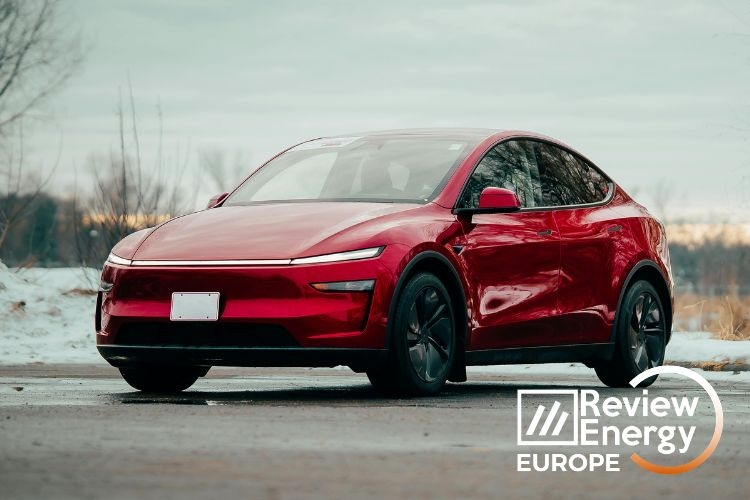


EVs cut driving costs by half compared with diesel
Driving an electric vehicle (EV) in Europe now costs half as much as driving a diesel vehicle, according to new data analysed by Transport & Environment (T&E). The organisation says diesel drivers are paying €32 more per tank than at the beginning of the year, as European leaders meet in Brussels to discuss measures to address the energy crisis.
T&E is calling on European governments to accelerate the shift to electric vehicles and avoid blanket fuel duty cuts. Instead, it proposes targeted reimbursements for low-income households, as well as taxing oil companies to fund vehicle scrappage schemes and improvements to public transport.
According to the latest data cited by T&E, around €16 of the €32 increase in the cost of a diesel tank comes from higher refinery margins. The organisation links the rise in refinery margins to higher oil company profits and cites previous T&E analysis showing that oil companies doubled their total oil profits in Europe in the last quarter.
“This is a critical moment in the diesel crisis,” said Antony Froggatt, senior director at T&E. He warned that a potential US block on diesel exports could create a significant supply shortage and argued that electrification is needed to reduce exposure to future oil crises.
T&E also points to the transport sector’s wider exposure to diesel prices. A study published by the organisation on Monday found that electric trucks are cheaper to operate than diesel for almost half of the trucks sold in the EU.
The findings come as European truck manufacturers’ CEOs call for delays to emissions targets that, according to T&E, would reduce sales of electric trucks by half.
Meanwhile, EU Energy Commissioner Dan Jørgensen has asked national governments to consider implementing energy-saving measures in response to potentially high gas prices. T&E argues that the European Commission should also focus on oil and diesel, which it describes as a key part of the current energy crisis.


Comentarios
Sé el primero en comentar...