
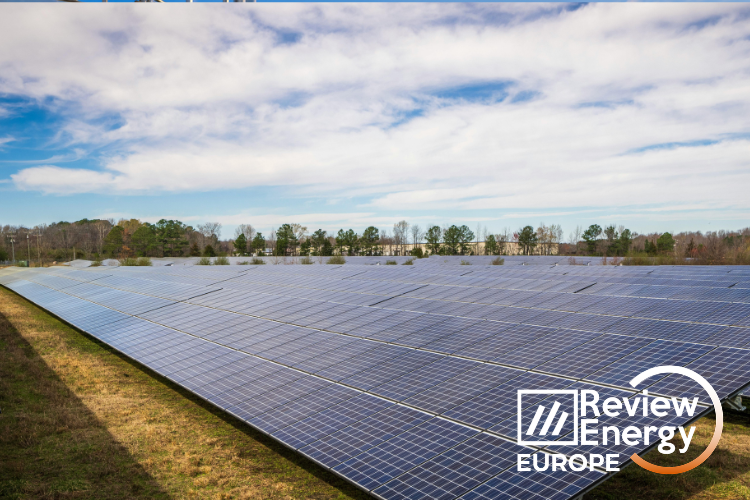


EU leaders call for lower energy prices and faster deployment of renewables and grids
The European Council has reaffirmed the role of renewable energy, electrification, grids and energy storage in reducing the EU’s dependence on volatile fossil fuel markets, as European leaders call for a coordinated response to high energy prices.
In its conclusions following the European Council meeting, the EU’s leaders stressed that the energy transition remains the most effective strategy for strengthening Europe’s strategic autonomy, improving resilience and structurally lowering energy prices. They called for accelerated electrification and the deployment of renewable and low-carbon energy sources, alongside electricity grids, energy storage and energy efficiency.
The conclusions come amid concerns over the impact of the current geopolitical situation on global supply chains, energy security and energy and fuel prices. The European Council said the situation requires a coordinated European response through targeted and temporary measures that take into account the specific circumstances of Member States while safeguarding the Single Market.
Among the actions welcomed by the leaders are the European Commission’s proposal to postpone certain obligations under the Methane Regulation, its intention to prolong the temporary state aid framework for the industrial sectors most exposed to high energy prices, and plans to develop a short-term framework to optimise the capacity and efficiency of EU refineries. The Commission also intends to take initiatives to bundle energy demand on a voluntary basis.
The European Council invited the Commission to examine and propose further measures as needed to address high energy prices in the short term, taking into account differences in electricity prices between Member States.
SolarPower Europe highlights €40 billion in avoided gas imports
The conclusions follow a warning from SolarPower Europe that, despite the contribution of solar generation to reducing gas demand, Europe remains exposed to geopolitical disruptions and fossil fuel price volatility.
In a press release, the association estimated that solar power helped the European Union avoid more than €40 billion in gas imports between 1 March and 15 October 2026. According to SolarPower Europe, solar installations across the EU generated enough electricity during this period to significantly reduce gas demand for power generation, strengthening energy security and shielding consumers from higher fossil fuel costs.
The association linked this contribution to the broader need to reduce Europe’s structural exposure to fossil fuel markets, following years of energy market disruption triggered by Russia’s invasion of Ukraine in 2022 and the 2026 Middle East war.
“€40 billion is the bill Europe didn't have to pay,” said Walburga Hemetsberger, CEO of SolarPower Europe. She added that Europe’s solar fleet had demonstrated the value of homegrown renewable energy during a period of geopolitical uncertainty, while warning that households and businesses remained exposed to fossil fuel price volatility.
SolarPower Europe calls for batteries and self-consumption
To address this vulnerability, SolarPower Europe is calling on the EU to adopt an emergency package of measures that could begin delivering benefits within the next year while tackling the underlying causes of Europe’s exposure to fossil fuel price volatility.
The association proposes boosting behind-the-meter electrification, solar generation and self-consumption, enabling households and businesses to produce and consume more of their own electricity.
It also calls for faster deployment of large-scale battery energy storage. According to SolarPower Europe, batteries can reduce the frequency with which fossil gas sets electricity prices and allow more low-cost renewable electricity to serve demand when it is needed most.
The European Council’s conclusions similarly identify renewable energy deployment, electrification, grids and storage as central to reducing fossil fuel dependence and structurally lowering energy prices. The leaders also underlined the importance of affordable energy and progress towards the Energy Union 2030 as part of the EU’s wider competitiveness agenda.

Comentarios
Sé el primero en comentar...