




Germany’s solar generation surpasses full-year 2025 output by September
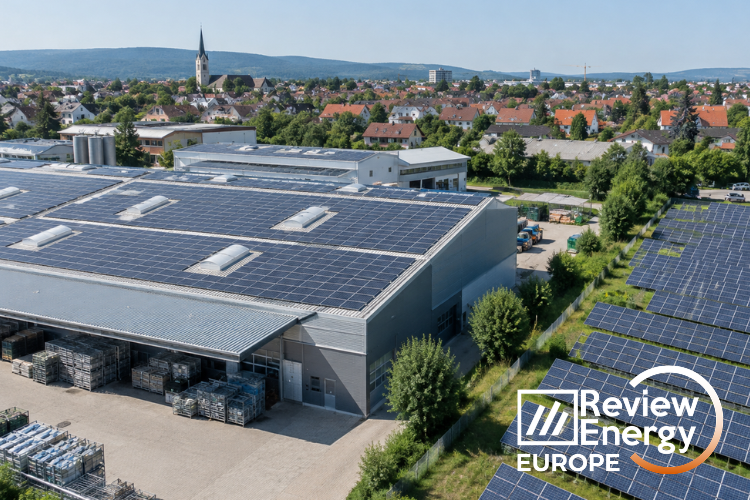
Germany has set a new solar generation record, with photovoltaic output reaching 90.2 TWh by 27 September 2026, already surpassing the 90.0 TWh generated during the whole of 2025.
The figures come from Energy-Charts data by the Fraunhofer Institute for Solar Energy Systems ISE, according to the German Solar Association (BSW-Solar), which has designated 27 September as this year’s “Solar Day”.
The association said the milestone reflects a combination of unusually high solar irradiation and the continued expansion of photovoltaic capacity across Germany.
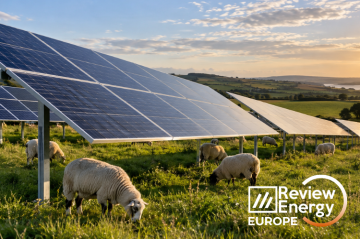
New solar installations are being deployed on single-family and multi-family homes, commercial rooftops and ground-mounted sites, while battery storage is also playing a growing role in allowing solar electricity to be used more flexibly and increasingly at the point of generation.
Solar capacity reaches around 130 GWp
Germany currently has around 130 GWp of installed photovoltaic capacity, compared with a national target of 215 GWp by 2030.
According to BSW-Solar, Germany installed 17.5 GWp of new solar capacity in 2025, while photovoltaic generation accounted for around one fifth of domestic electricity production during the year.
The association estimates that Germany would need to add around 20 GW of solar capacity per year on average over the next four years to reach the 2030 target.
BSW-Solar also noted that a typical residential photovoltaic system with around 10 kW of capacity can generate approximately 10,000 kWh of electricity per year in Germany, potentially covering a significant share of household electricity demand, including additional consumption from heat pumps and electric vehicles.
Record comes amid debate over EEG reform
The solar generation record comes as Germany’s parliament considers the EEG 2027 amendment and the government’s so-called “Grid Package”.
The Bundestag held a first reading of the legislative proposals on 24 September, before referring them to the Economic Affairs Committee for further consideration.
BSW-Solar argues that the current proposals could introduce new barriers to investment in photovoltaic systems and has called for changes to preserve predictable support conditions, particularly for smaller rooftop installations.
The association is also opposing the introduction of mandatory direct marketing requirements for small rooftop systems.
BSW-Solar Chief Executive Carsten Körnig said the record demonstrated the contribution that solar can make under stable investment conditions, but warned that reaching Germany’s deployment targets would require maintaining incentives for households and businesses to continue investing in solar systems and storage.

Comentarios
Sé el primero en comentar...