
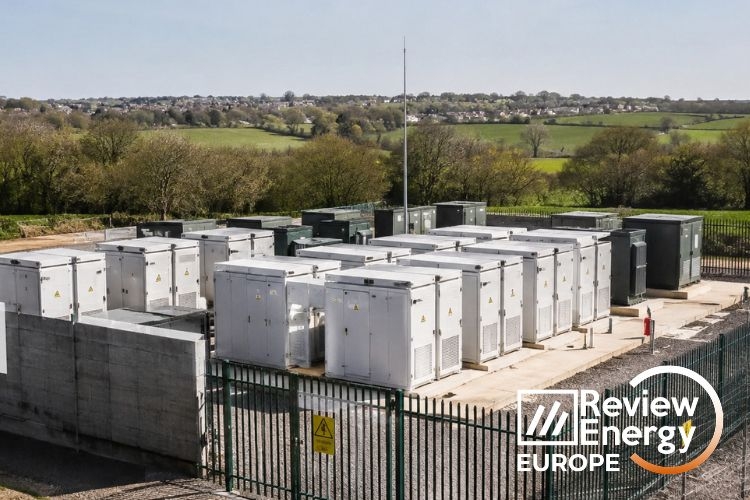


UK moves to unlock community energy storage to ease electricity bills
The UK government has launched a call for evidence to explore how community batteries could be deployed more widely across the country, with the aim of helping households and businesses reduce electricity bills by storing cheaper renewable energy and using it during periods of higher demand.
The initiative, led by the Department for Energy Security and Net Zero and MP Michael Shanks, is part of what the government describes as the largest investment in community energy in UK history. It seeks to expand access to local clean energy projects, reduce reliance on fossil fuels, and address the impact of volatile energy markets on household costs.
Community batteries allow multiple homes and users to share stored electricity. For example, excess solar power generated during the day can be stored and used later when demand — and prices — are higher. According to the government, this helps households make better use of low-cost renewable electricity and reduce exposure to peak-time electricity prices.
The call for evidence aims to identify and remove regulatory and commercial barriers that currently limit the rollout of shared battery storage across the UK. It will also gather views on how to ensure the benefits reach households that cannot install their own batteries, including tenants and people living in flats.
Officials said the development of community batteries could support local energy ownership, allowing communities to participate more directly in clean energy generation. This, they argue, could contribute to local wealth creation, stronger community involvement, and long-term regional economic benefits.
The government also highlighted that the UK’s community battery market is still underdeveloped. The consultation is intended to explore how to scale up deployment, ensure system safety, and expand participation in local energy projects such as solar installations on libraries, leisure centres and community hubs.
Energy Minister Michael Shanks said that a more flexible energy system is needed for households to fully benefit from clean energy. He said community batteries could help tenants and people in apartments store cheaper renewable electricity and reduce their energy bills.
He added that the policy aims to give power back to local communities, reduce dependence on fossil fuel markets, and help households take control of their energy use.
The initiative comes alongside wider government efforts to reduce the cost of running new homes, including plans to standardise solar panels and clean heating systems in new builds. The government is also progressing plans to make plug-in solar systems available in shops in the coming months, allowing more households to generate their own electricity and lower energy costs.
Community batteries store electricity when it is cheap and abundant — including renewable generation — and release it during peak demand periods. This reduces reliance on more expensive electricity at peak times while increasing flexibility in the energy system.
The UK also pointed to international examples, noting that countries such as Australia already use community batteries at scale to store surplus solar energy and distribute the benefits more widely across neighbourhoods.






Comentarios
Sé el primero en comentar...