
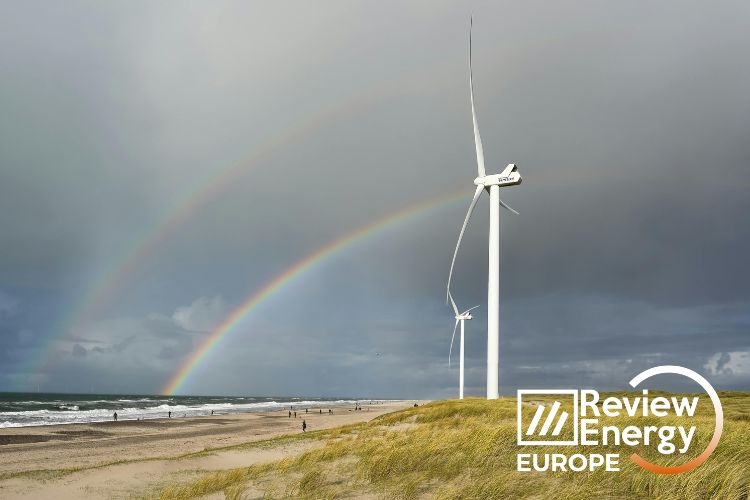


Europe already has capacity to replace fossil fuels with clean tech, but policy lags behind
A new report from Ember argues that Europe already has the industrial capacity to replace much of its fossil fuel dependence with clean technologies such as wind turbines, electric vehicles and heat pumps — but is failing to deploy them at the pace required.
In its report “A clean break: leaving fossil volatility for clean tech security”, Ember warns that Europe’s continued reliance on imported fossil fuels leaves it exposed to major economic shocks, while its own manufacturing base is already strong enough to meet or exceed current clean technology demand.
According to the analysis, fossil fuel price spikes linked to the first two months of the US-Israel war with Iran added €18.5 billion in additional costs for Europe. Between 2021 and 2024, fossil fuel imports cost the EU €1.8 trillion, underlining the scale of exposure to external energy markets.
Despite this dependency, Ember finds that Europe’s clean technology manufacturing capacity is already substantial. In 2025, European manufacturers were capable of producing 30 GW of wind turbines, compared with 14 GW installed that year. Electric vehicle production capacity reached 4.6 million units against demand of 2.6 million, while heat pump output stood at 7.5 million units — nearly three times current demand.
The report also highlights strong export performance, with European exports of wind turbines and electric vehicles exceeding €30 billion in 2025. The clean tech manufacturing sector employs around 1.8 million people across the continent, a figure projected to reach 2.3 million by 2030.
Ember argues that electrification is both an energy security and economic strategy. In 2025 alone, electric vehicles in Europe avoided 67 million barrels of oil consumption, saving €4.1 billion in import costs.
A key part of the report focuses on the structural difference between fossil fuels and clean technologies such as solar. Ember notes that solar panels, once imported and installed, generate electricity for more than 20 years without additional fuel imports. By contrast, fossil fuels require continuous shipments and are immediately vulnerable to supply disruptions.
The report states that a single shipment of solar panels can generate as much electricity over its lifetime as an LNG tanker, but without ongoing import dependence. This, it argues, fundamentally changes Europe’s exposure to external shocks.
Tom Harrison, Energy Analyst at Ember, said: “Electrification is not a trade-off between security and affordability — it is the path to both. The tools and the manufacturing base are already there; what’s needed now is policy that moves as fast as the technology.”
The report concludes that Europe’s vulnerability is not technological but political: the industrial base for clean energy already exists at scale, but deployment is not keeping pace with manufacturing capacity.


Comentarios
Sé el primero en comentar...