
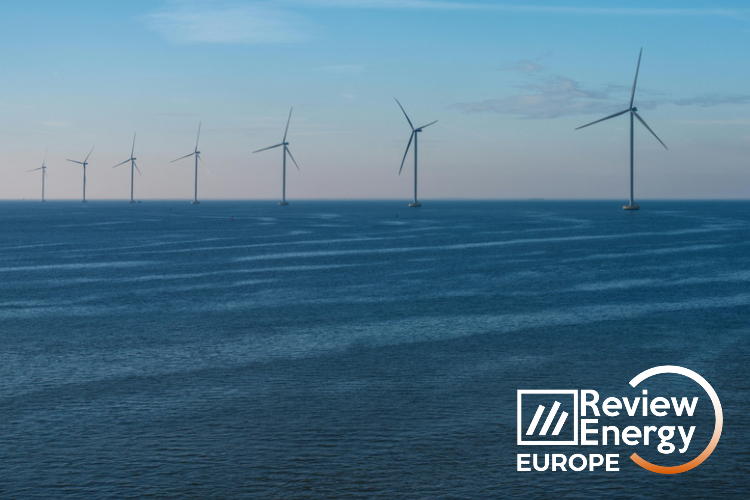


European Commission approves €9.45bn Dutch aid scheme for 2GW of offshore wind
The European Commission has approved a Dutch state aid scheme with a maximum budget of €9.45 billion to support renewable electricity production from two offshore wind farms in the North Sea, IJmuiden Ver Gamma-A and IJmuiden Ver Gamma-B, which have a combined capacity of 2 GW. The projects are expected to generate up to 7,441 GWh of renewable electricity annually, supporting the Netherlands’ offshore wind deployment plans and the EU’s Clean Industrial Deal objectives.
The scheme covers two offshore wind tenders to be organised before July 2027. If public support is required, it will take the form of a variable premium paid on top of market revenues when electricity prices are too low to cover production costs. Support may be granted for 15 years from the start of operations, currently expected in 2032.
The Dutch government will first invite developers to bid for the projects without public aid, offering a concession payment to the State for the right to develop the sites. Only if no such bids are received will it consider applications for an aid premium, with developers competing to offer the lowest level of support. Each tender will have one winning bidder.
The tenders will also include prequalification criteria under the EU Net Zero Industry Act, requiring diversification of wind turbine and key component supply chains to reduce dependence on imports from outside Europe. The scheme includes safeguards against overcompensation, including a cap on bids and a claw-back mechanism requiring beneficiaries to repay part of the aid if market prices exceed their contracted strike price.
According to the Dutch government's estimates, the two projects are expected to avoid around 147 million tonnes of CO2 equivalent over their lifetime. The European Commission assessed the scheme under EU state aid rules and concluded that it is necessary and proportionate to address the market and investment risks associated with offshore wind development. It also found that the support would encourage investments that would not take place to the same extent without public funding.



Comentarios
Sé el primero en comentar...