
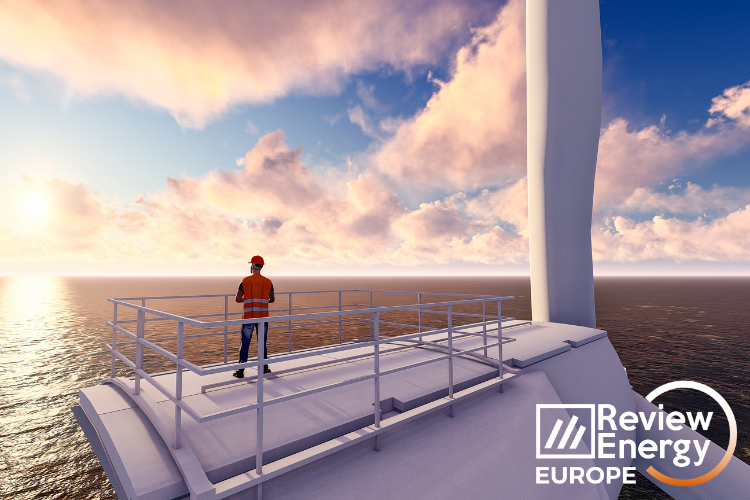


Offshore wind development prompts UK to join landmark SOLAS convention
The offshore wind energy sector is experiencing unprecedented growth. Between 2024 and 2033, the world is expected to add 386 gigawatts (GW) of new offshore wind capacity, according to a report by Wood Mackenzie. This boom will culminate in 2033 with an annual connection capacity of 54 GW.
The safety standards under the SOLAS convention
The sector's exponential growth has raised new safety challenges. In response, a new chapter has been added to the International Convention for the Safety of Life at Sea (SOLAS). Originally adopted in 1974 following the Titanic disaster and updated numerous times, the convention now introduces the International Code of Safety for Ships Carrying Industrial Personnel (IP Code). This code establishes enhanced safety standards for ships transporting industrial personnel to offshore facilities, such as wind farms and oil and gas platforms.
The IP Code recognizes a new category of people on board, distinct from passengers and crew, and includes specific requirements such as medical fitness, personal survival training, and safety education. It also sets guidelines for familiarization with vessels. In the United Kingdom, these regulations will be implemented as part of the Merchant Shipping Regulations in 2025, following a period of public consultation.
United Kingdom: A aodel for adaptation and a leader in offshore wind energy
The United Kingdom, a global leader in offshore wind energy, is proactively adopting these new standards. The Maritime and Coastguard Agency (MCA) has launched a consultation to incorporate the IP Code and also strengthen requirements for the transport of special personnel, in accordance with the IMO’s Code of Safety for Special Purpose Ships (SPS Code).
According to Fraser Heasley, Director of Technical Maritime Services at the MCA, “The offshore sector plays a fundamental role in the functioning of today’s world and is key to our transition to clean energy. At the MCA, we truly value the service and dedication of this industrial and special personnel, and their safety is a priority for us.”
The public consultation, open until February 2025, aims to ensure that the voices of all stakeholders in the sector are heard, reinforcing the UK’s commitment to safety and leadership in clean energy.
Conclusion
With global momentum toward renewable energy, the strengthening of safety standards under the SOLAS Convention ensures a safer and more equitable transition for offshore workers. The United Kingdom, as a pioneer in offshore wind energy, is demonstrating how adopting these regulations can enhance both safety and sustainability in the sector.


Comentarios
Sé el primero en comentar...