




Polish president vetoes wind turbine law amid public protests
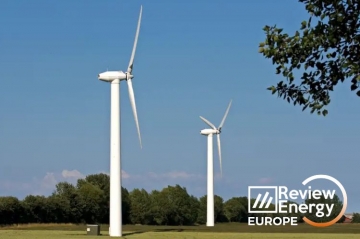
Polish President Karol Nawrocki signed 21 laws passed by Parliament but vetoed the controversial “ustawa wiatrakowa” (wind turbine law), which sought to reduce the minimum distance between wind farms and residential areas. According to Nawrocki, the bill would not lower electricity prices and faced strong public opposition, while the government will continue working on measures to freeze energy tariffs and support the biogas sector.
The presidential veto was based on concerns about public acceptance and safety. The law aimed to reduce the minimum distance of wind turbines to 500 meters from homes, a measure that, according to Nawrocki, could create conflicts with local communities and pose logistical risks to critical infrastructure, as highlighted by the Ministry of Defense and the Ministry of Infrastructure.
Although the law was vetoed, the president stressed that some of its provisions were valuable, particularly those related to support for biogas and distributed renewable energy. In this regard, the Presidential Office continues consultations with industry experts and biogas representatives to expand Poland’s renewable energy portfolio.
In addition, Nawrocki signed a related bill that allows for the freezing of electricity prices, ensuring consumer protection throughout 2025. The legislation is expected to be considered by Parliament in September, and the president confirmed that he would approve it without changes, maintaining the existing consumer protection measures. He also announced that within 100 days, a new bill with specific solutions for electricity prices will be presented, with the goal of ensuring that “Poles can feel the expected relief.”
The president emphasized that his decision seeks a balance between renewable energy development and public acceptance, prioritizing citizen support and safety over political pressure or lobbying interests. He also underlined the importance of consulting the Presidency during the legislative process to avoid vetoes that could slow down Poland’s energy transition.



Comentarios
Sé el primero en comentar...