





Rising costs and market uncertainty: Key reasons behind the failure of the Danish offshore wind auction
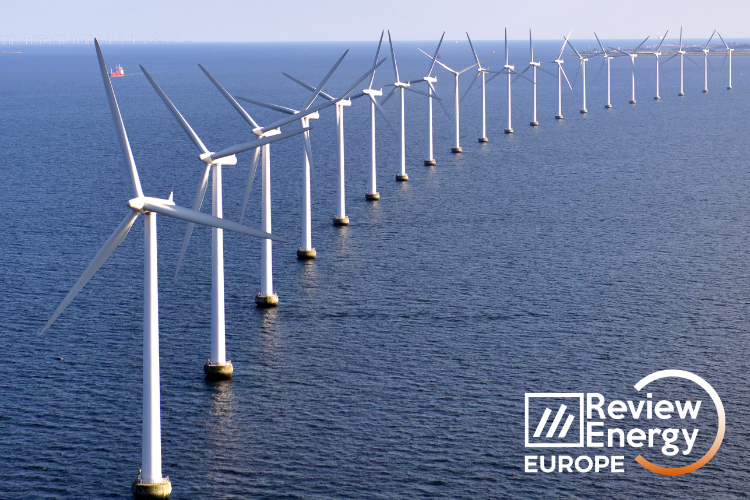
The Danish Energy Agency has published a memorandum with the results of the market dialogue that the Minister of Climate, Energy, and Utilities requested to investigate why companies did not submit bids for the installation of 3 GW of offshore wind energy in the North Sea.
This report is based on meetings the Danish Energy Agency held with 17 companies, including a wide range of developers and subcontractors, to understand why they had shown no interest in last year's auction.
Main reasons for the auction's failure
The companies agree that the business model was not viable due to a combination of sharp cost increases and the outlook for reduced income sources in the Danish electricity market. In addition, market uncertainties, in particular, led to an increase in risk premiums and required rates of return.
The DEA stated that despite having a positive view of the North Sea locations due to good wind and seabed conditions, the companies were unable to present a "satisfactory business case." This was due to a combination of dramatically increased capital, operational, and financial costs. Several of the companies told the DEA that they had initially expected a positive business case when the auction procedure was announced, but due to issues around costs and concerns about uncertain profit opportunities in the Danish electricity market, "their expectations gradually deteriorated toward the auction deadline."
Regarding cost concerns, the companies stated that these had risen significantly due to the general increase in inflation and pressure on supply chains. They mentioned that this was partly due to "the fact that many countries are setting targets for 2030, making it difficult and expensive to make agreements with suppliers, especially for wind turbines, cables, and ships, for wind farms that will be established in 2030 or shortly after."
Regarding concerns over the lack of electricity demand, the companies noted that hopes for the development of a hydrogen market and the purchase of larger amounts of renewable energy had not materialized.
Most developers considered supplying energy only or primarily to the Danish electricity grid, where there is already a high proportion of renewable energy, including wind power, putting downward pressure on prices.
When asked what could improve the business case, most companies pointed to the need for support through a so-called two-way CfD (Contract for Difference), particularly to counteract future uncertainty in the electricity market and ensure sufficient interest and competition in a possible future auction procedure.



Comentarios
Sé el primero en comentar...