




UK offshore wind pipeline hits 93 GW as sector scales up
The UK’s offshore wind industry has reached a new milestone, supplying almost one fifth of the country’s electricity in 2025, according to the latest report from The Crown Estate.
The analysis highlights the growing central role of offshore wind in the UK energy mix, as the technology continues to expand rapidly across capacity, infrastructure and economic impact.
Offshore wind delivers 52 TWh and powers 15.5 million homes
According to the report published on 13 May 2026, offshore wind generated 52 TWh of electricity in 2025, enough to power 15.5 million homes.
It confirms offshore wind as the UK’s largest renewable electricity source, reinforcing its position at the centre of the country’s clean energy transition.
From two turbines to nearly 3,000 in 25 years
The report marks the 25th anniversary of the UK offshore wind industry, highlighting its transformation from just two turbines to almost 3,000 operational turbines in 2025.
Installed offshore wind capacity has reached 16.5 GW connected to the grid, reflecting two and a half decades of rapid industrial and technological expansion.
This growth underlines both the scale of the sector’s development and its increasing importance in the UK’s long-term energy system.
93 GW pipeline reinforces long-term expansion
The Crown Estate identifies a total offshore wind pipeline of 93 GW, including fixed and floating projects at operational, construction, planning and early development stages.
This includes major recent milestones such as a record 8.4 GW awarded in the UK’s seventh Contracts for Difference allocation round — the largest offshore wind auction in Europe — and the allocation of seabed rights for 4.5 GW of floating offshore wind capacity in the Celtic Sea.
These developments reinforce the UK’s position as a global leader in offshore wind and a pioneer in floating wind technology.
Renewables now provide more than half of UK electricity
The report shows that renewables accounted for 54% of UK electricity generation in 2025, up from 52% in 2024, driven mainly by offshore wind and solar expansion.
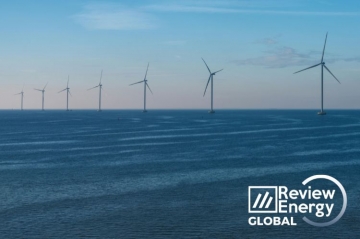
The UK currently has 46 operational offshore wind farms, with 2,820 turbines and 42 offshore substations in service.
Construction activity accelerates across the sector
Offshore wind construction activity is also increasing, with 11.4 GW currently under construction. This includes eight wind farms, 801 turbines and 11 substations, up from 7.8 GW the previous year.
The expanding project pipeline reflects sustained investor confidence and continued policy support for offshore wind deployment.
Jobs, investment and industrial impact
The sector now supports around 40,000 jobs across the UK, with projections suggesting this could rise to 94,000 by 2030.
The offshore wind supply chain includes around 2,000 companies and manufacturing facilities, expected to contribute £18.2 billion to the UK economy over the next decade.
These companies are distributed across 70 parliamentary constituencies, highlighting the sector’s nationwide economic footprint.
Avoided emissions underline climate impact
In 2025 alone, offshore wind helped avoid 20.8 million tonnes of CO2 emissions, underscoring its role in supporting the UK’s decarbonisation pathway.
“One of the UK’s biggest industrial success stories”
Julia Rose, Director of Offshore Wind at The Crown Estate, said offshore wind has evolved from an emerging technology into a core part of the UK energy system in just 25 years.
“Today it provides clean power to homes, creates jobs in communities and delivers contracts for businesses across the country, establishing itself as one of the UK’s biggest industrial success stories in modern times,” she said.
She added that global volatility has reinforced the importance of energy security and a decarbonised system, with offshore wind playing a central role in both.
The report concludes that offshore wind will remain a cornerstone of the UK’s energy future, supporting security of supply, economic growth and climate goals simultaneously.


Comentarios
Sé el primero en comentar...