


What is the affordability landscape for electric cars in Europe?
While decarbonization targets bring governments closer to pushing electric mobility even further, differences in the affordability of electric cars across Europe leave some with good news while others are on alert.
The new interactive map from the European Automobile Manufacturers Association, or ACEA, reveals that affordability is a significant factor discouraging consumer purchases of ECVs.
According to ACEA, ECVs account for 21.6% of new cars registered in the EU in 2022, but they only have a market share of 9% or less in more than half of member states.
Source: ACEA
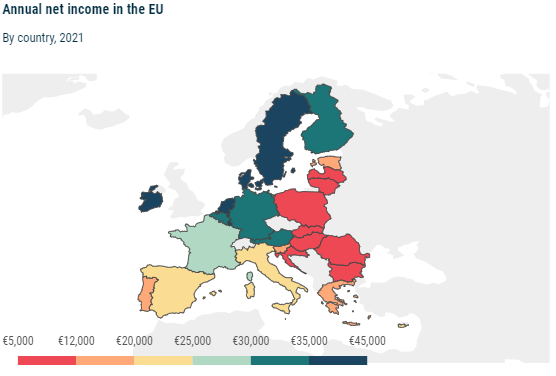
In countries where ECVs have a market share of less than 9%, such as several Central and Eastern and Southern European countries, eg Greece, Italy, Poland and Croatia, the average annual net income is around €13,000 per worker, says the Association.
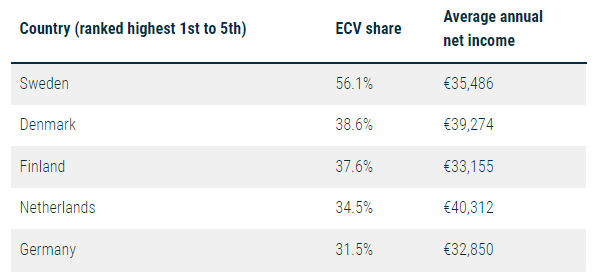
The highest shares (over 30%) are concentrated in just five Northern and Western European countries, where net annual income exceeds €32,000. In Sweden, where annual net income is over €35,000, more than half of newly registered cars are ECVs.
Source: ACEA
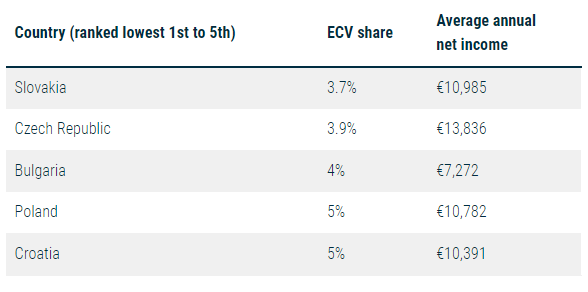
In contrast, ECVs have a market share of just 4% in Bulgaria, where incomes are around €7,000.
Source: ACEA
“These figures confirm significant disparities in the affordability of ECVs between different regions of Europe, with Northern and Western Europe leading with the highest shares and Central and Eastern and Southern Europe representing the lowest shares”, added ACEA.


Comentarios
Sé el primero en comentar...