

Cross-sectoral call: over 400 groups ask EU to keep Green Pact as a strategic priority
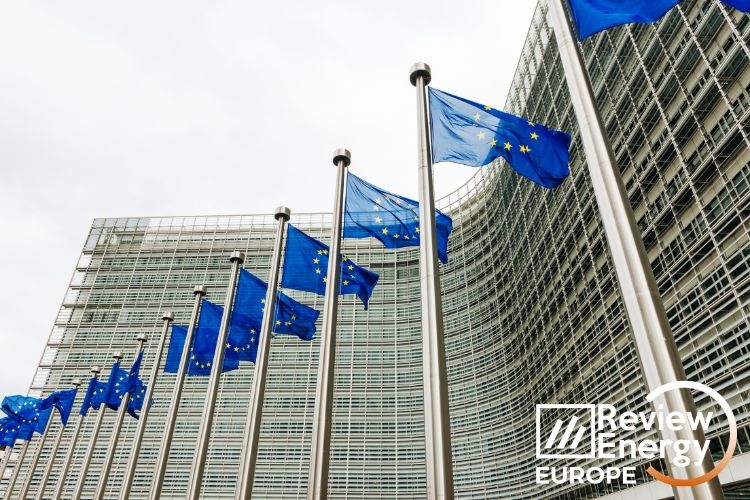
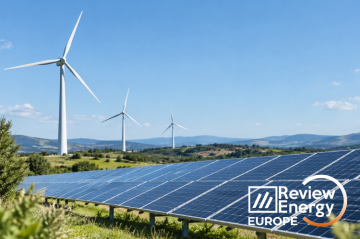
In anticipation of the forthcoming European Leaders summit, which will outline the EU's strategic priorities for the next five years, a coalition of at least 449 diverse organizations has united to advocate for a stronger commitment to the EU Green Deal.
Entities from various sectors such as chemicals, services, renewables, shipping, consumer goods, alongside climate and nature NGOs and local government representatives, have collectively reminded EU leaders of the Green Deal's crucial role in driving sustainable growth and ensuring security.
The joint statement declares that the Green Deal has put the EU on a path to sustainable growth, proving robust and convincing even during challenging times, such as the ongoing conflict in Ukraine and the resultant fossil fuel crisis. It says that these events, along with the increasing impacts of climate change in Europe, have confirmed the Green Deal as essential to the EU's security, competitiveness, and social welfare objectives.
The coalition urges EU leaders to:
1. Reaffirm the EU Green Deal as a primary priority in the upcoming EU Strategic Agenda and enhance it with a Clean Industrial Deal that aligns with the Green Deal's goals.
2. Ensure all EU financial instruments align with the Green Deal objectives for 2030 and beyond, including the establishment of a new Clean Industrial Deal Investment Plan as part of the next EU budget, and support cities and regions in the transition.
3. Appoint an Executive Vice-President for both the Green and Industrial Deals to efficiently meet competitiveness and decarbonisation objectives.
Leading voices
Walburga Hemetsberger, CEO of SolarPower Europe, indicated that realizing the Green Deal is essential for boosting the EU's competitiveness and is critical for an Industrial Deal for Europe. She emphasized that the Green Deal has equipped Europe with the tools to chart a new course towards energy security and sustainable prosperity, and with the EU elections concluded, 400 economic actors are signaling EU leaders to confirm the Green Deal as a strategic priority.
Eric Scotto, CEO of Akuo, argued that the Green Deal is not only the sole growth path for Europe but also the most effective protection against the geopolitical risks of energy dependence.
Bertrand Piccard, President of the Solar Impulse Foundation, noted that the recent EU elections have shifted both the political landscape and the perception of ecology. He stressed that ecology should not be seen as expensive, burdensome, or unachievable, as this would impede efforts to protect the environment. Piccard highlighted that political leaders need to recognize the economic benefits of the Green Deal and environmental protection, which can create jobs, enhance resources, and increase energy independence and sovereignty.
Claire Roumet, Executive Director of Energy Cities, stated that the Green Deal is the best competitiveness policy as it provides a comprehensive framework to support affordable, abundant, and sustainable energy production, thereby improving people's lives, the competitiveness of industries and businesses, and cities. She called for swift implementation and support for local actors building a more prosperous future.
William Todts, Executive Director of Transport & Environment, emphasized that incomplete efforts are as ineffective as no effort at all. He stressed the need to relaunch the Green Deal as the EU's strategy for jobs, growth, and energy security, prioritizing investments in Europe-made batteries, electric vehicles, and hydrogen for aviation and shipping.
Paul Voss, Director-General of European Aluminium, expressed his continued support for the Green Deal and emphasized that a healthy industrial base and a healthy planet are not mutually exclusive. He urged Europe to pursue both objectives simultaneously.
François Gemenne from the Hugo Observatory stated that it would be irresponsible for politics to retreat from the Green Deal. He argued that the time has come to accelerate efforts, given scientific reports and the reality of climate change impacts, which make a wait-and-see approach untenable.
Importance of EU Green Deal
The fossil fuel crisis has led Europe into a new paradigm, where the energy trilemma of sustainability, affordability, and supply security clearly indicates that completing the Green Deal —replacing fossil fuels and shifting to a sustainable, circular, and just economy— is vital to Europe's strategic objectives.
According to the IEA, EU electricity consumers saved an estimated 100 billion euros during 2021-2023 due to the acceleration in renewables and electrification. Additionally, the global clean technology value chains are expected to be worth over €600 billion by 2030. Conversely, inaction on climate change could result in a 10% loss in global GDP by mid-century.
The statement indicates that the EU Green Deal is deemed the best strategy for securing Europe's prosperity and competitiveness, providing necessary coherence and regulatory stability for Europe's businesses and citizens. In the document, the signatory organizations and stakeholders, therefore, call on EU leaders to use the next five years of their mandate to act on their Green Deal commitments, emphasizing the urgency of advancing towards a competitive, secure, and democratic Europe within the next 20 seasons.

Comentarios
Sé el primero en comentar...