


EnBW opens innovative hybrid park in Germany with solar, wind, and flexible energy storage solutions
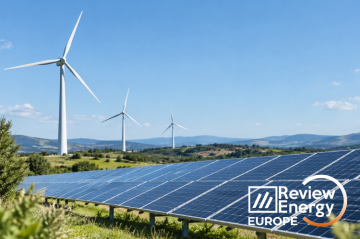
EnBW has officially commissioned a 58-megawatt solar park in Gundelsheim, Baden-Württemberg. With around 110,000 modules spread over 55 hectares, it is now the second-largest solar installation in the state. According to the company, the solar park is the first component of a broader hybrid energy project that will also include wind turbines and battery storage on the same site. In total, the 64-hectare energy complex is expected to generate enough electricity each year to cover the needs of about 30,000 households.
A hybrid storage system is currently being installed, while the approval process for two wind turbines is underway. EnBW states that the on-site storage will make it possible to feed electricity into the grid more in line with demand, thereby increasing system flexibility.
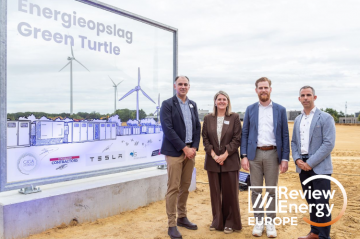
The storage setup combines repurposed batteries from twelve Audi e-tron vehicles with a sodium-ion battery of around one megawatt-hour. According to the company, this is the largest sodium-ion battery currently installed in Europe. Together, both systems deliver 1.22 megawatts of power and a total capacity of 2.25 megawatt-hours, equivalent to covering the electricity consumption of roughly 3,400 households for two hours.
EnBW’s CEO, Georg Stamatelopoulos, described the project as an example of how complementary renewable technologies can be combined: “Battery storage helps balance renewable generation, which depends on weather conditions, with short-term demand. Along with hydrogen-ready gas-fired power plants for longer periods of low generation, this provides the flexibility we need.”
Environment Minister Thekla Walker, who attended the opening, highlighted the efficient use of resources: the co-location of solar and wind with a shared substation will help lower grid connection costs, while the use of second-life car batteries underscores the role of renewables in recycling and resource efficiency.
The city of Gundelsheim also benefits directly from the project, receiving commercial tax revenues and land lease income. Conservation measures include wildlife corridors, wildflower strips, preserved pastures, and ecological upgrades to a fire pond, which now serves as a habitat for native plants and amphibians.
According to EnBW, the Gundelsheim site is the first project in Germany to combine a solar park, wind turbines, and storage systems in one location.

Comentarios
Sé el primero en comentar...