
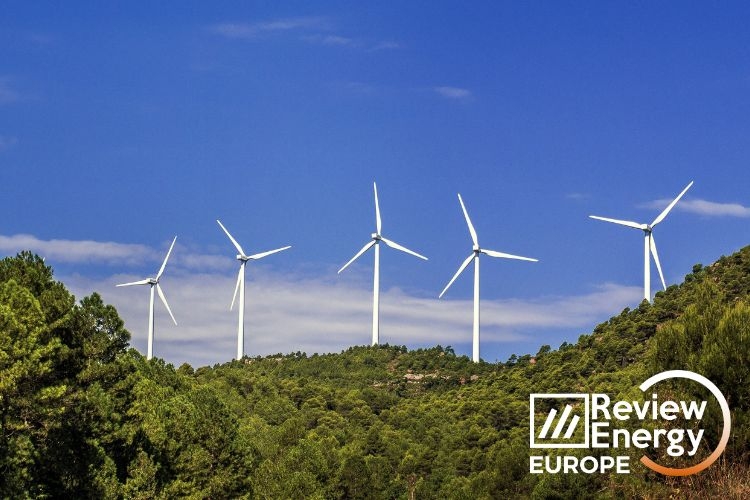


EU must invest €220 billion annually to achieve energy transition targets
The first Regional Energy Transition Outlook for the EU by IRENA, prepared in collaboration with the European Commission, highlights that expanding renewable energy strengthens energy security by reducing dependence on imported fossil fuels and shielding economies from price volatility. It also promotes affordability and competitiveness by leveraging low-cost domestic energy sources.
The report emphasizes that achieving the EU's energy transition goals will require accelerating the integration and expansion of energy infrastructure; doubling electrification through renewables; strengthening institutional frameworks for coordinated planning and implementation; and establishing robust enforcement mechanisms. This balanced strategy aims to keep energy affordable for households and industry while ensuring supply security.
IRENA projects that annual renewable energy generation capacity must reach 122?GW by 2050—double the current level—and that by 2030, 70?% of EU electricity should come from renewables (rising to nearly 90?% by 2050). Meeting these targets will demand €5.6?trillion in infrastructure investment by 2050, averaging €220?billion per year—roughly 50?% more than current annual spending. These modern infrastructure investments are essential to lower electricity prices, stabilize wholesale markets, and shield consumers from fossil-fuel price fluctuations. Overall, the EU’s energy transition will require around €1?trillion per year through 2050, approximately 6?% of the EU’s 2024 GDP.
Francesco La Camera, Director-General of IRENA, notes that strategic investment is crucial to avoid escalating costs, while EU Commissioner Dan Jørgensen emphasizes that local renewables will enhance independence, create jobs, and drive innovation.
Investing in renewables could raise EU economic growth by up to 2?% annually through 2050 and generate nearly 8?million jobs in the energy sector over the next decade. Prioritizing low-cost renewables also promotes energy independence and ensures affordable, sustainable energy across communities.
To remain on track toward a climate-neutral Europe, IRENA recommends the following essential steps:
- Increase renewable energy to reach or exceed 42.5?% of gross final energy consumption by 2030 through accelerated electrification and direct renewable use.
- Build at least 1,100?GW of wind and solar capacity, supported by an upgraded grid, to reach a total of 1,247?GW—nearly double the 640?GW installed by end-2023.
- Install a minimum of 46?GW of battery storage (up from 6?GW in 2023) to improve system flexibility.
- Raise electricity’s share of final energy consumption to 33?% by 2030 (up from 21?% in 2023).
- Deploy 51?million heat pumps in buildings, growing annually by 7%, from today’s 21.5?million units.
- Expand electric mobility to 100?million EVs by 2030, from around 12?million in 2023, and ensure a robust charging infrastructure.
- Develop regulatory and investment frameworks for regional hydrogen hubs and scaled-up electrolysis deployment.
This Outlook—developed alongside the European Commission and Member States—offers a clear roadmap for establishing an EU energy system that is secure, competitive, and resilient in the face of climate change.


Comentarios
Sé el primero en comentar...