
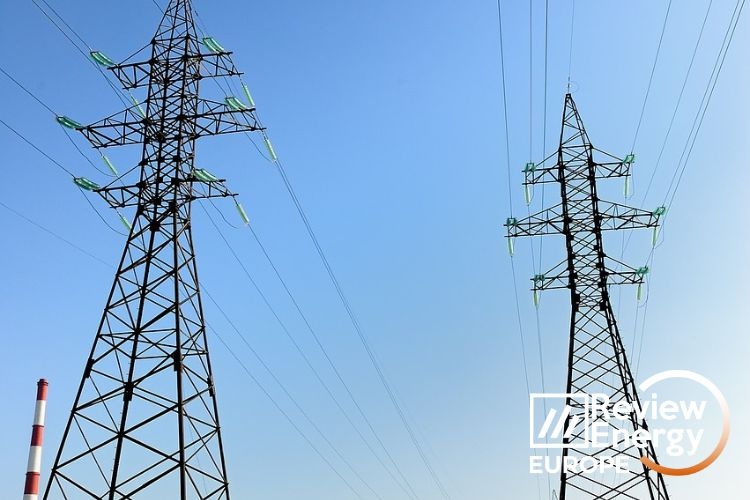


Eurelectric warns: A lack of EU action could push Europe’s power grids into systemic failure
Europe’s electricity system is approaching a critical breaking point as ageing distribution networks struggle to keep pace with surging electrification, Eurelectric warns in a new position paper released ahead of the European Commission’s Grids Package, expected on 10 December. Representing the electricity industry in over 30 countries, Eurelectric calls for urgent regulatory and financial reforms to prevent Europe’s grids from becoming the main bottleneck in the energy transition.
Distribution grids connect 70% of new renewable energy installations and the vast majority of electrified end-uses, including heat pumps and electric vehicles. Yet 30% of Europe’s low-voltage networks are already over 40 years old—beyond their intended lifetime—and that figure could reach 90% by 2050 without rapid investment in renewal, expansion, and digitalisation. According to Eurelectric, failure to act now could result in 190 million fewer heat pumps, 120 million fewer EVs, and over 1,200 GW less solar PV connected by mid-century.
Urgent need for stable regulation and faster permitting
Eurelectric stresses that a predictable and stable regulatory framework is essential to attract private investment and ensure competitive returns. Regulation should recognise both CAPEX and OPEX costs, treat funded projects fairly, and incentivise anticipatory investments.
Permitting remains a major bottleneck, with some public procurement processes lasting more than two years. Eurelectric proposes simplified procedures capped at six months, exemptions for smaller projects from environmental impact assessments, and prioritisation of strategic grid corridors to accelerate deployment.
To meet the scale of investment required, Eurelectric calls for dedicated EU funding for distribution network upgrades within the next Multiannual Financial Framework (MFF) and the Connecting Europe Facility (CEF). Public support should be gradually phased out as electrification rises and network costs are shared among a larger user base.
The association also highlights the need for resilient and cyber-secure networks, urging regulators to recognise climate adaptation and cybersecurity costs in grid regulation and incentivise proactive reinforcement of critical infrastructure.
Practical planning and fair connections
Eurelectric warns against unnecessary top-down planning for distribution networks, which are inherently local. It recommends using DSO data in TSO planning exercises (TNDPs and TYNDP) to ensure adequate capacity, better transparency through open-source modelling, and structured stakeholder engagement.
The association also calls for reforms to the “first come, first served” connection approach, advocating national frameworks to prioritise projects with societal benefit, readiness, and commitment, ensuring scarce capacity is allocated efficiently and transparently.
With Europe racing to electrify heating, transport, and industry, Eurelectric stresses that modern, resilient, and well-funded distribution networks are indispensable enablers of the EU’s energy and industrial strategies. Without decisive action in the upcoming Grids Package, the association warns, Europe risks higher energy costs, stalled electrification, and missed climate targets.





Comentarios
Sé el primero en comentar...