
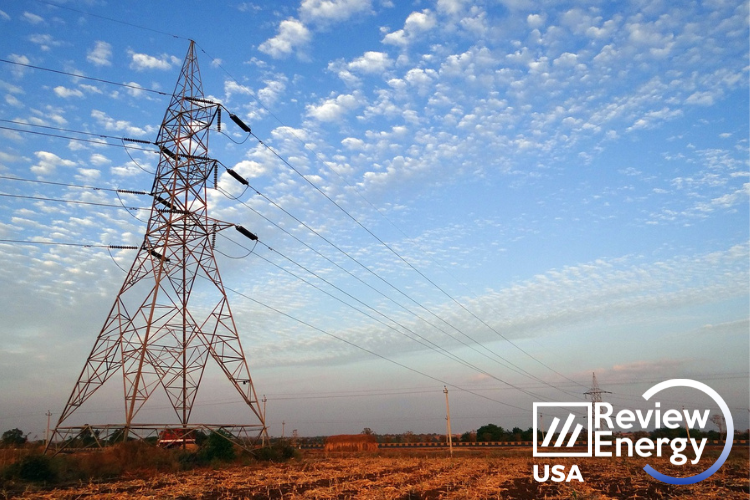


FERC approves 'historic' rule to facilitate grid connection for renewable energy
The Federal Energy Regulatory Commission (FERC) issued a "historic" final rule aimed at improving the interconnection process and addressing the growing backlog of renewable energy projects, mostly wind, solar and storage, still waiting in queues across the country.
“This new rule will enable America’s vast power generation resources to connect to the grid in a reliable, efficient, transparent, and timely manner, and in doing so, help provide more reliable, resilient, and affordable electricity for all consumers,” FERC Chairman Willie Phillips said. “This is a watershed moment for our nation’s transmission grid.”
Phillips underscored the need for today’s reforms by noting that at the end of 2022, more than 2,000 gigawatts of generation and storage were waiting in interconnection queues throughout the country – that is as much electricity generation capacity as all the power plants now operating around the country. Projects now face an average wait of up to five years to connect to the grid.
The final rule includes several key areas of reforms, including institution of a first-ready-first-served cluster study process, with increased financial commitments for interconnection customers, to improve the efficiency of the interconnection process and minimize delays; imposition of firm deadlines and penalties if transmission providers fail to complete their interconnection studies on time incorporation of technological advancements into the interconnection process, including consideration of advanced transmission technologies in the interconnection study process; and an update of modeling and performance requirements for inverter-based resources to ensure continued system reliability.
“Our transmission policies must keep pace with the rapid changes in the makeup of our nation’s power generation resource mix,” Phillips said. “Today’s rule is an important milestone. But there is so much more to do. The Commission is working diligently on how to address the key issues of regional transmission planning and cost allocation. We need to take a longer-term, forward-looking approach to planning for essential transmission facilities and to allocate the costs of those facilities in a just and reasonable manner while enhancing the reliability and resilience of the grid.”
The rule, which came out of a Notice of Proposed Rulemaking issued in June 2022, will take effect 60 days after publication in the Federal Register.
Unlocking America’s Energy and Transmission Future
— @FERC (@FERC) July 27, 2023
FERC Chairman @wlpFERC talks about transmission reform for paving the way to add new energy resources to the grid. pic.twitter.com/ruq9GPxdUS
After the decision was made public, Melissa Alfano, director of energy markets and counsel at the Solar Energy Industries Association (SEIA) declared that “interconnection reforms need to be meaningful to make a difference, and this final ruling from the FERC is a step in the right direction. In particular, we are pleased to see that the rules set binding study deadlines and establish penalties for transmission providers that fail to meet those deadlines. In addition, the new rules will make it easier to add energy storage to projects that are already in the interconnection queue, helping to increase energy storage capacity on the grid and recognize the growing value clean energy has when it comes to providing grid services.
Alfano added that “this rule would have required clean energy project developers to have an offtake contract in place before entering the interconnection queue, an impossible standard to meet because it defies commercial realities.”






Comentarios
Sé el primero en comentar...