
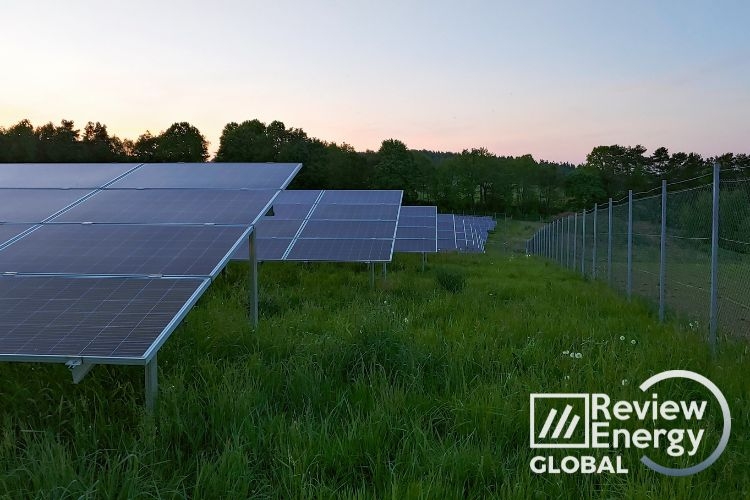


From rapid growth to “high-quality growth”: China adjusts its renewable pricing mechanism
China has introduced a new market-based pricing mechanism for renewable energy following an unprecedented expansion of wind and solar capacity in the first half of 2025. The country added 264 GW of new renewable capacity during this period — double the installations recorded in the same timeframe in 2024 — as developers rushed to secure projects under the previous pricing framework.
According to Wood Mackenzie, the expiry of the “no-auction” pricing mechanism on 1 June triggered a wave of accelerated project development. Under that system, renewable projects were guaranteed long-term contracts with price stability linked to provincial coal benchmark rates, offering developers predictable returns and reduced investment risk.
The newly introduced mechanism marks a shift toward a more competitive and market-driven renewable sector. Projects commissioned from June onward must now participate in provincial auctions and operate under shorter contract durations, averaging around 10 years instead of the previous 18. This change increases developers’ exposure to price volatility and to potential revenue losses from curtailment, Wood Mackenzie notes.
Initial provincial auction results show clear downward pressure on prices. In Shandong, for example, winning bids for wind and solar came in 9% and 32% below current average settlement prices, respectively. This signals a more challenging landscape for developers as China transitions toward full market pricing of renewable electricity.
Despite these pressures, the shift aligns with Beijing’s strategic objective of moving from rapid capacity expansion to what it calls “high-quality growth” — ensuring renewable deployment is financially sustainable, better integrated into the grid, and aligned with long-term decarbonization goals.
Analysts expect investment strategies to diverge between technologies. While large-scale solar faces increased risks from curtailment and lower market capture prices, onshore wind is positioned to attract more capital due to comparatively stronger returns and lower curtailment exposure.
China will need sustained investment to meet its target of increasing the share of non-hydro renewables to 24% of electricity consumption by 2026. This will require more than 750 GW of new wind and solar capacity by the end of next year — meaning project development is expected to continue, but with tighter economic margins and higher price risk.
As China enters this new phase, the balance between grid expansion, market reform, and investor confidence will be critical to maintaining momentum in the world’s largest renewable market.




Comentarios
Sé el primero en comentar...