
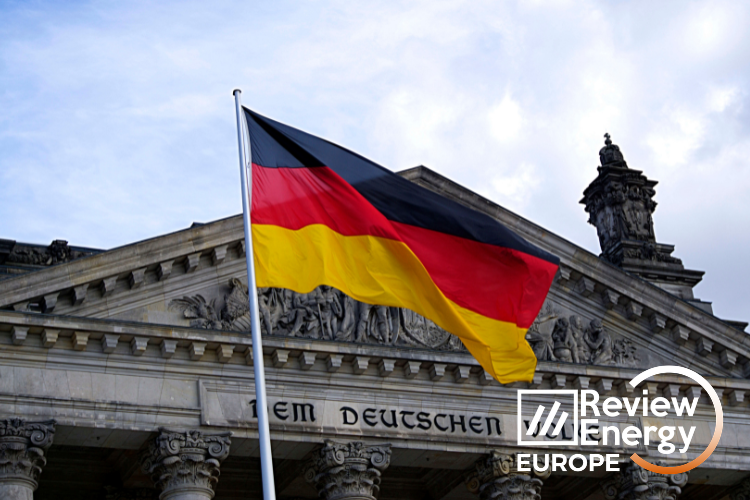


Germany’s renewable sector steps up pressure over EEG and grid package
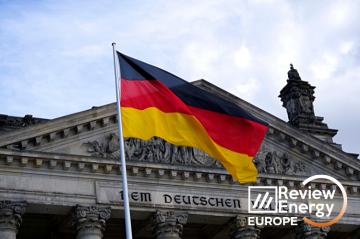
The German Renewable Energy Federation (BEE) has called for a demonstration in Berlin on 9 October 2026, bringing together renewable energy associations, companies and civil society organisations to demand reliable policy conditions for Germany’s energy transition.
Under the slogan “Renewable energies: expand instead of slowing down”, the Renewable Energy Alliance (Bündnis Erneuerbare Energien) is calling on the German Bundestag to ensure that the planned changes to the Renewable Energy Sources Act (EEG) and the country’s grid package enable investment and accelerate the deployment of renewables, energy storage and electricity networks.
The demonstration will take place at 2:00 p.m. on 9 October at the Reichstagswiese in Berlin, according to the announcement published by BEE on 17 September.
BEE argues that Germany needs stable regulatory conditions for continued investment in wind and solar power, bioenergy, hydropower and renewable heat, alongside electricity grids, flexible storage and digitalisation.
The organisation says uncertainty generated by the planned changes to the EEG and grid package is already affecting investment decisions across the renewable energy sector.
BEE warns of investment uncertainty
According to BEE Managing Director Christine Falken-Großer, renewable energy has an important role not only in Germany's climate objectives but also in reducing its exposure to imported fossil fuels and supporting domestic economic activity.
“Economic growth and climate protection are not mutually exclusive – quite the opposite,” Falken-Großer said, arguing that renewable energy can contribute to addressing climate change, energy dependence and economic uncertainty.
BEE says Germany’s renewable energy industry currently employs more than 436,000 people. The federation claims that planned changes to the EEG and grid package, and the resulting regulatory uncertainty, are already putting investments and employment at risk.
The organisation says it is seeing large-scale projects worth billions being put on hold and job losses already occurring. These assertions are BEE's assessment of the impact of the proposed reforms; its 17 September announcement does not provide a breakdown of the affected projects or employment losses.
The federation therefore argues that maintaining investment, employment and competitiveness will require a predictable framework across renewable generation as well as the infrastructure needed to integrate it into the energy system.
Renewables, storage and grids at the centre of the demands
The Renewable Energy Alliance is calling on the Bundestag to shape the EEG and grid package in a way that facilitates investment and accelerates the expansion of renewable generation, storage and electricity networks.
The coalition includes BEE and its sector associations as well as companies and initiatives active in wind, solar, bioenergy, hydropower, geothermal energy and storage, alongside civil society organisations and representatives from across the renewable energy value chain.
The demonstration follows months of criticism from BEE over the government's proposed changes to energy regulation. In July, the federation said the cabinet-approved EEG and grid connection package represented a deterioration from earlier proposals, while in September it published recommendations calling for greater speed, flexibility and efficiency in the legislation.
Falken-Großer said the October demonstration is intended to bring together businesses and civil society around the role of renewable energy in Germany's economic and climate policy.
The mobilisation is scheduled for Friday, 9 October 2026, on the Reichstagswiese in Berlin, close to the Bundestag.

Comentarios
Sé el primero en comentar...