
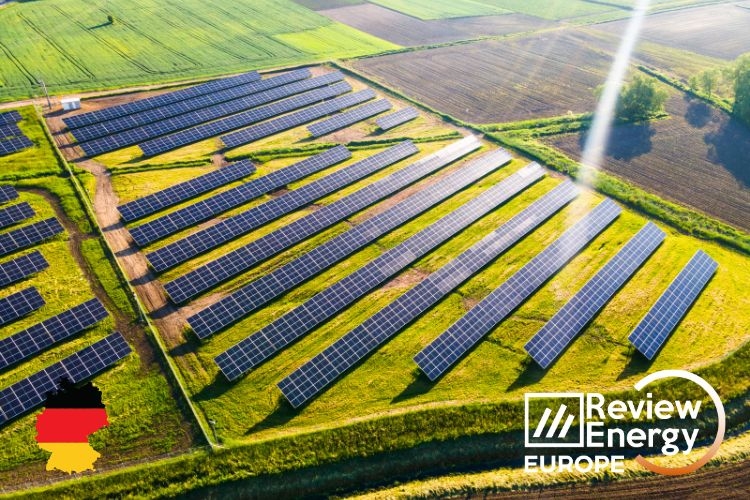


IEA recommends optimizing Germany's electrical system as renewables advance
According to the IEA (International Energy Agency), the energy transition in Germany is an opportunity to strengthen its security and competitiveness, but success will depend on greater growth in renewable generation, the expansion of the electrical grid, increased system flexibility, and specific measures to reduce consumer prices.
According to the data from this report, Germany is transforming its energy system on the path towards the energy transition, primarily by increasing renewable electricity, which it sees as a long-term opportunity to improve energy security and economic competitiveness.
However, more work is needed in the energy sector to achieve Germany’s climate neutrality target by 2045, including the expansion of the electrical system, reduction of energy prices, and the reduction of emissions in end-use sectors such as transport, buildings, and industry.
Success will depend on greater growth in renewable energy generation, the expansion of the electrical grid, increased flexibility of the electrical system, and specific measures to reduce consumer prices.
A more efficient and resilient electrical system can support a safe and affordable energy transition in Germany, according to the latest IEA Energy Policy Review.
According to the data from this report, Germany is transforming its energy system on the path towards the energy transition, primarily by increasing renewable electricity, which it sees as a long-term opportunity to improve energy security and economic competitiveness.
However, more work is needed in the energy sector to achieve Germany’s climate neutrality target by 2045, including the expansion of the electrical system, reduction of energy prices, and the reduction of emissions in end-use sectors such as transport, buildings, and industry.
During the launch of this report in Berlin, the IEA’s Deputy Executive Director, Mary Burce Warlick, noted that “Germany is at a critical moment in its energy transition, where it can create new economic opportunities and strengthen energy security by ensuring a favorable political environment.”
Stefan Wenzel, Parliamentary State Secretary for the German Federal Minister for Economic Affairs and Climate Action, also participated in the presentation of this report.
Phase-out of nuclear and coal energy towards the push for renewables
According to the IEA, Germany has phased out nuclear energy and reduced its share of coal generation. At the same time, it has significantly increased its wind and solar capacity.
However, challenges persist, particularly the effects of the energy crisis caused by the restriction of gas supplies to the European Union via pipelines by Russia. Germany faces regional energy imbalances and high electricity prices that undermine affordability and competitiveness.
Success will depend on greater growth in renewable energy generation, the expansion of the electrical grid, increased system flexibility, and specific measures to reduce consumer prices.
The transport sector is the highest emitter in Germany and a key area that requires more attention. This highlights the need for a specific approach covering electric vehicles, biofuels, and improvements in public transport.
The IEA report concludes that incentives will be needed for consumers to adopt low-emission transport options in order to achieve significant reductions in transport emissions, in line with Germany’s ambitions. Furthermore, improvements in railways and electric charging infrastructure will provide the necessary supporting infrastructure.
The report recommends greater efforts to improve the energy efficiency of Germany’s relatively old housing stock and support its transition to clean energy technologies. Germany has made an important step towards this goal with the approval of the Energy for Buildings Act and the Heating Planning Act. Together, they establish a long-term strategy to reduce heating emissions through district heating and heat pumps. According to the IEA report, meeting these plans and maintaining continuous communication with households will be essential to achieving results.
National hydrogen strategy
Germany has ambitious goals to develop the hydrogen industry, including plans to replace the use of fossil fuels in hard-to-decarbonize industrial processes.
The national hydrogen strategy includes innovative mechanisms to connect buyers and sellers, as well as to finance infrastructure. However, the IEA report reveals that final investment decisions on projects are delayed, highlighting the need to focus government efforts on implementing demand-creation policies to drive the sector.


Comentarios
Sé el primero en comentar...