
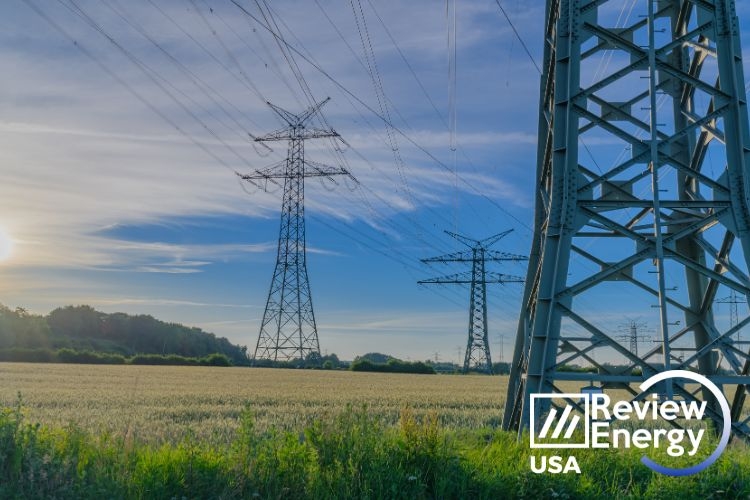


Industrial boom and data centers put U.S. power grid to the test
According to a report by Aurora Energy Research, grid stress in the U.S., traditionally caused by extreme winter and summer conditions, is extending into the intermediate months. The report also projected that stress during the intermediate season—attributed to increased demand due to population growth, industrial activity, and the need for data centers—will require grid operators to plan not only for sufficient capacity but also for flexible resources that can respond quickly to demand changes.
Recent power supply interruptions in May in Louisiana highlighted that, without proper planning for flexible resources to maintain system stability, load shedding is necessary to prevent power outages. This is especially true in the intermediate spring and fall months when thermal plants must interrupt their supply for necessary maintenance, limiting available capacity. This report arrives at a critical time as the electric industry focuses on significant issues of adequacy and reliability of resources nationwide.
Olivier Beaufils, Director of USA Central at Aurora Energy Research, stated, “Market operators can no longer consider grid reliability as a summer or winter-only issue; the increasing pressure during transition months means the U.S. grid must be prepared to respond quickly year-round with flexible technologies, both in generation and demand, which is becoming increasingly crucial for future stability.”
“Reliability planning must consider system stress throughout the seasons and assess the need for reliability attributes such as flexibility. Resource accreditation should value flexible technologies like batteries and gas generation during demand peaks, which play a significant role in managing daily demand fluctuations,” added Beaufils.
Aurora's analysis reveals that ERCOT could experience load shedding by 2030, both in summer and transition months, under historical thermal outage conditions in a high data center demand growth scenario. Additionally, 16% of hours in the Electric Reliability Council of Texas (ERCOT) will require a gradual increase of at least 10 GW by 2035.
Furthermore, large energy users, such as data centers, could support demand through backup generation and demand response. Aurora's ERCOT market model revealed that the strategic use of flexible demand could prevent load loss and offset the need for up to 10 GW of new generation by 2030.





Comentarios
Sé el primero en comentar...