


Lithuania doubles renewable electricity generation between 2022 and 2024
Electricity generation from renewable sources in Lithuania nearly doubled between 2022 and 2024, according to a new report by the International Energy Agency (IEA), which praises the country's strong progress toward energy independence and recommends strengthening clean energy and transport electrification policies to meet long-term goals.
The report highlights Lithuania’s rapid and determined efforts to cut all energy ties with Russia following the invasion of Ukraine. A key milestone was reached when Lithuania synchronised its electricity grid with the continental European system, disconnecting from the Russian-controlled grid.
Renewables on the rise and a growing power grid
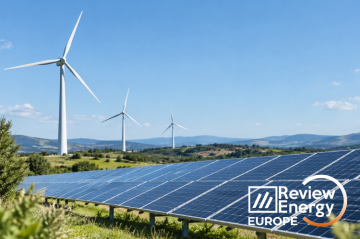
A central achievement has been the sharp increase in renewable electricity production, driven by improved permitting processes and supportive investment schemes. This growth includes not only utility-scale wind and solar projects but also a rise in rooftop solar PV installations and large-scale battery storage.
Still, challenges remain. Lithuania is heavily reliant on fossil fuel imports, particularly in the transport sector, and continues to import a notable share of its electricity. To meet its 2030 and 2050 targets, the IEA stresses the need for accelerated deployment of renewable capacity — especially wind power — and anticipatory investment in grid infrastructure.
Electromobility key to cutting emissions
Transport is the largest source of emissions in Lithuania, accounting for 40% of total final energy consumption and 75% of oil demand. The national car fleet is among the oldest in the European Union, making road transport a top priority for decarbonisation.
Electrification is identified as the most viable solution, complementing the country’s growing renewable electricity base. However, electric vehicle (EV) adoption remains low due to high upfront costs. The IEA recommends a combination of targeted incentives, investment in charging infrastructure, support for the second-hand EV market, and policy reforms to encourage public and rail transport.
A vision for 2050: electrification and green hydrogen
Lithuania’s National Energy Independence Strategy outlines a long-term shift to an electrified energy system and the development of a hydrogen-based industrial sector powered by renewable electricity. Under the main scenario, electricity demand could increase sixfold by 2050, with half used for hydrogen production.
Yet the report warns that hydrogen market development has been slower than expected. It calls for a step-by-step approach to implementing the strategy, focusing on actions with clear benefits and manageable risks.
Recommendations for a secure and sustainable future
The IEA urges Lithuania to maintain its leadership in energy transition through forward-looking policies, greater system flexibility, and enhanced regional cooperation. Reforms such as updating the net-metering system to better integrate distributed solar and sending clearer price signals to encourage grid-friendly behavior are essential to sustain momentum.
“Lithuania is well positioned to build a secure, sustainable, and modern energy system,” said IEA Executive Director Fatih Birol at the report launch in Vilnius. “The progress achieved so far is commendable, and we hope our recommendations will support the country’s next steps toward a cleaner and more resilient future.”
With strong policy action and a clear long-term vision, Lithuania can become a regional leader in clean energy and electromobility. The transition is well underway.

Comentarios
Sé el primero en comentar...