
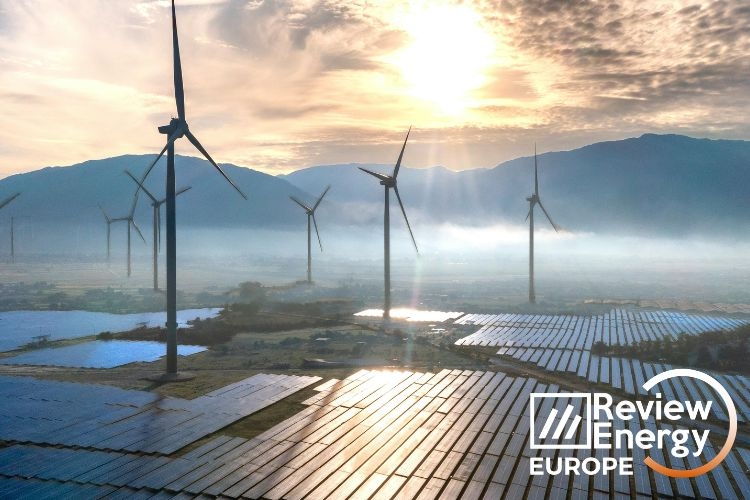


NESO warns: the British power grid faces growing challenges in the transition to net zero
The National Energy System Operator (NESO) has warned that the transition toward a decarbonized electricity system in the United Kingdom will require profound changes in how the grid, electricity markets, and infrastructure are operated. This is outlined in its Operability Strategy Report 2026, which analyzes the challenges and solutions needed to ensure a clean, secure, and affordable supply by 2030 and toward the net-zero target by 2050.
The report highlights that the British electricity system is undergoing a structural transformation: it is moving from a model based on predictable fossil fuel generation to one dominated by variable renewable energy sources, such as wind and solar, along with new forms of flexible demand.
A cleaner but more complex system to operate
According to NESO, this transition involves the gradual loss of key services that fossil fuel power plants previously provided, such as inertia, voltage control, and system restoration capability. As these plants operate less frequently, the system must find new ways to ensure stability.
In this context, the operator emphasizes that tools, markets, and procedures must evolve rapidly to maintain the security of the electricity system.
Progress toward 100% clean energy
The report highlights the progress achieved in 2025, when the electricity system in Great Britain reached 97.7% clean generation during a specific period, moving closer to the 100% goal. This milestone was made possible, among other factors, by the deployment of innovative technologies such as grid-forming batteries and stability projects initiated before 2020.
In addition, record levels of renewable generation were recorded, with all-time highs in both solar (14,023 MW) and wind (23,825 MW), also driven by favorable weather conditions.
One of the main challenges identified by NESO is the changing nature of electricity demand. The electrification of transport, heating, and industry, along with the growth of data centers, will increase consumption and alter demand patterns.
The operator warns that these changes will make demand forecasting and the balance between generation and consumption more complex, potentially increasing costs and operational risks if appropriate measures are not adopted.
Operability issues and “critical links”
The report identifies several emerging risks, such as rapid fluctuations in demand due to flexible assets (electric vehicles, batteries), increased grid voltage pressures, and reduced system inertia.
It also warns that prolonged periods of low transmission grid demand—driven by distributed generation—are creating new operational challenges, such as difficulties in balancing the system or managing voltage levels.
New technological and market solutions
To address these challenges, NESO proposes a combination of measures: integration of new technologies, system digitalization, development of more sophisticated electricity markets, and reinforcement of the grid.
Among the solutions are the use of advanced inverters, new fast frequency response services, and greater participation of flexible demand in electricity markets.
The report also stresses the need to improve coordination with distribution network operators and to increase visibility of assets connected outside traditional markets.
An increasingly integrated energy system
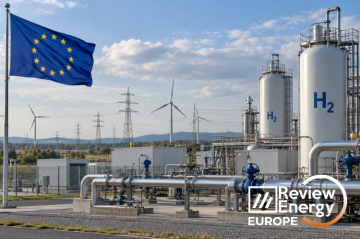
NESO emphasizes that these challenges cannot be addressed in isolation. The energy transition will require an integrated approach that considers the interaction between electricity, gas, and hydrogen.
The development of hydrogen, energy storage, carbon capture, and large-scale electrification will be key elements of the future energy system, with direct impacts on grid operability.
The National Energy System Operator concludes that, although progress toward a clean electricity system is significant, ensuring its safe and efficient operation will require accelerating technological, regulatory, and operational adaptation. The next decade will be decisive in consolidating a decarbonized energy model without compromising system stability.



Comentarios
Sé el primero en comentar...