
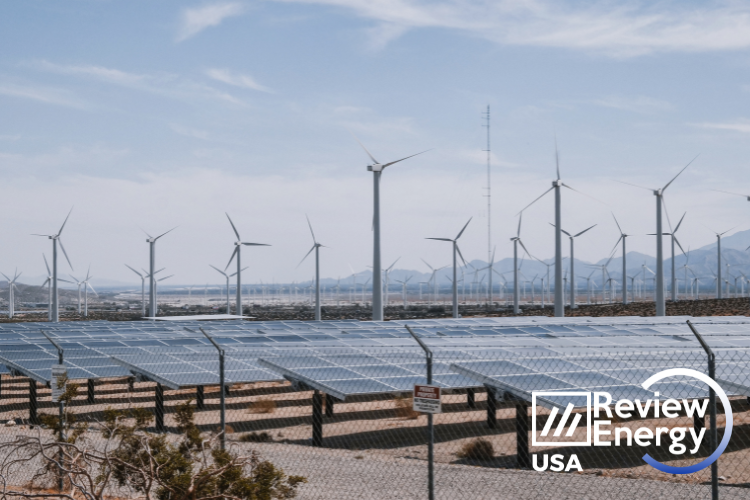


New U.S. interconnection rules may slow renewable energy integration
In a decision that has raised concerns within the clean energy industry, the Federal Energy Regulatory Commission (FERC) approved the Midcontinent Independent System Operator’s (MISO) Expedited Resource Addition Study (ERAS) proposal. Although the measure aims to address urgent reliability needs amid unprecedented growth in electric demand, American Clean Power (ACP) warns about the risks of prioritizing temporary solutions at the expense of fair and planned processes.
“FERC’s approval of MISO and SPP’s ERAS proposals is a dangerous misstep,” said Carrie Zalewski, ACP Vice President of Markets & Transmission. “It ignores current market realities, opening the door to significant disruption for hundreds of projects that have followed formal processes to connect to the grid.”
A rushed solution to a structural challenge
According to MISO, the ERAS initiative is designed to accelerate the operation of up to 68 projects in specific zones, with a temporary focus through August 2027. The measure responds to urgent capacity needs amid unexpected load growth and increasing reliability challenges.
Hoewever, ERAS limits projects to 10 per quarter, requires each to be tied to a specific resource adequacy need, and that projects be commercially operational within three to six years of their application. The process also depends on validation by state authorities regarding the actual resource need.
While MISO highlights this measure as “transparent, fair, and limited in scope,” ACP questions the fairness of the process for clean energy developers who have been waiting years for interconnection under the existing regulatory framework.
The reality of clean energy: ready to act
ACP also emphasizes that the technologies best prepared to meet growing energy demand—such as solar, wind, and energy storage—are also the most cost-effective and fastest to deploy. Systematically excluding them from accelerated processes like ERAS could increase supply costs and hinder the energy transition.
During the January 2025 Polar Vortex, states under MISO’s jurisdiction saw electricity price increases of 135%, while California and Texas, with higher renewable penetration, experienced only 20% increases. In the summer of 2024, in SPP territory, wind energy supplied up to 30% of demand during a heatwave, avoiding at least $27 million in operating costs.
ACP emphasizes the need for strategic, predictable, and fair processes
American Clean Power calls for maintaining a strategic, predictable, and fair approach to connecting new resources to the grid. “Ensuring reliable and affordable electricity requires a diversified system and clear rules that build investor confidence and deliver real benefits to consumers,” Zalewski added.
ACP will continue working with MISO, SPP, and other stakeholders to ensure emergency measures do not set damaging precedents for the energy transition, and that long-term solutions prioritize the deployment of clean, secure, and competitive technologies.



Comentarios
Sé el primero en comentar...