
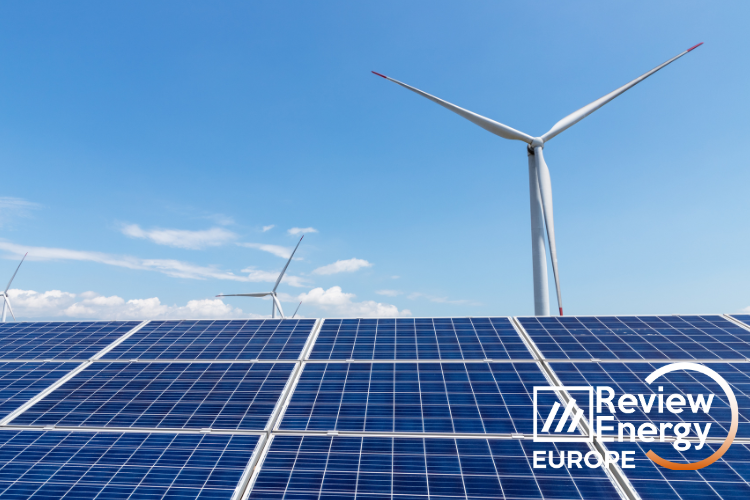


Renewable energy supplied 77% of electricity consumption in Portugal in May
In May, renewable energy sources supplied 77% of Portugal’s electricity consumption, according to data released by National Energy Grids (REN) . Solar energy stood out, reaching a record 17% share, the highest ever recorded for this technology in the country.
Non-renewable production accounted for 16%, while the remaining 7% came from electricity imports. Electricity consumption saw a slight decrease of 0.1% compared to the same month last year, a variation that becomes zero when adjusted for temperature and working days.
Hydropower leads, but solar hits a new milestone
Although both wind and solar energy performed below historical averages — with productivity indexes of 0.73 and 0.93, respectively — hydropower had an exceptional month, with a productivity index of 1.52 (where 1 represents the historical average). May also marked a milestone for solar energy, which for the first time surpassed production peaks of 3000 MW.
From January to May, renewables covered 82% of electricity consumption in Portugal. This was led by hydropower (40%), followed by wind (27%), solar (10%), and biomass (5%). During the same period, natural gas accounted for 12% of electricity production, while imports covered the remaining 6%.
As for natural gas consumption, the cumulative total from January to May increased by 7.1% year-on-year. This rise was driven by an 81% increase in gas used for electricity generation, which offset a 6% decline in conventional gas use. 96% of national gas supply came through the Sines terminal, and the remaining 4% via the interconnection with Spain. Nigeria and the United States were the main suppliers, accounting for 52% and 34%, respectively.
Portugal continues to advance in its energy transition, with renewable sources playing an increasingly important role, especially solar power.




Comentarios
Sé el primero en comentar...