
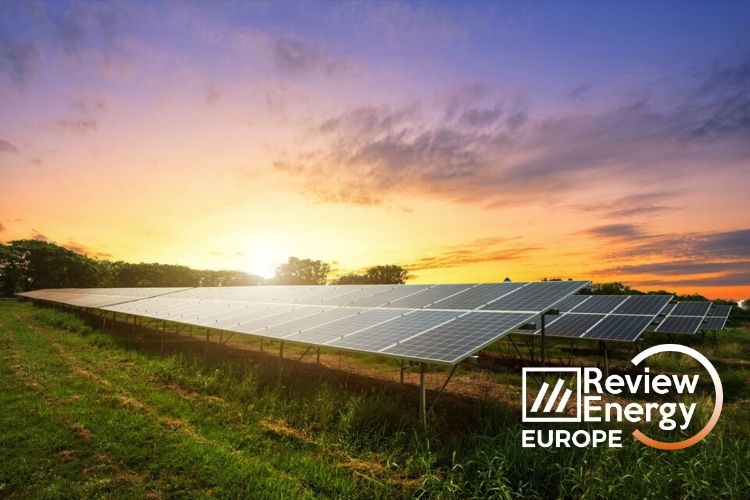


Renewables to dominate Germany’s power mix by 2035
Germany is set to dramatically expand its renewable energy capacity, with forecasts indicating that renewables will account for 82.9% of the country’s electricity mix by 2035, driven by large-scale solar PV deployment and onshore and offshore wind development.
Cumulative renewable capacity is expected to reach 509.9 GW, growing at a compound annual growth rate (CAGR) of 9.7% between 2024 and 2035, according to GlobalData’s latest report, “Germany Power Market Trends and Analysis by Capacity, Generation, Transmission, Distribution, Regulations, Key Players and Forecast to 2035.”
In 2024, renewables already supplied 54.7% of Germany’s electricity, led by wind and solar PV, highlighting the country’s rapid progress in transitioning away from fossil fuels.
Mohammed Ziauddin, Power Analyst at GlobalData, notes that “Germany aims to achieve 80% renewable electricity by 2030, supported by its Renewable Energy Act (EEG), the National Hydrogen Strategy, and significant grid modernization investments. The country plans to reach 30 GW of offshore wind capacity by 2030, while complementary policies such as the Power Plant Security Act and H2Global are providing certainty for investors and developers.”
Germany officially phased out nuclear power in 2023 and is committed to ending coal-fired generation by 2038, although discussions are underway to advance this deadline to 2030. Geopolitical factors, notably the Russia–Ukraine conflict, have accelerated the diversification of gas imports, increasing LNG capacity and relying on suppliers like Norway, the Netherlands, Belgium, and the United States. The country is also forging hydrogen partnerships with Canada, Norway, and Namibia to secure future energy supply.
Despite these advances, challenges remain. Network congestion, periods of low renewable output (Dunkelflaute), and slow deployment of dispatchable gas capacity continue to test grid stability. High energy prices, regulatory uncertainties, and lengthy permitting processes for wind projects also constrain development. Nevertheless, large-scale investments in hydrogen infrastructure, battery storage, and smart grids are expected to bolster the resilience of Germany’s power system.

Comentarios
Sé el primero en comentar...