
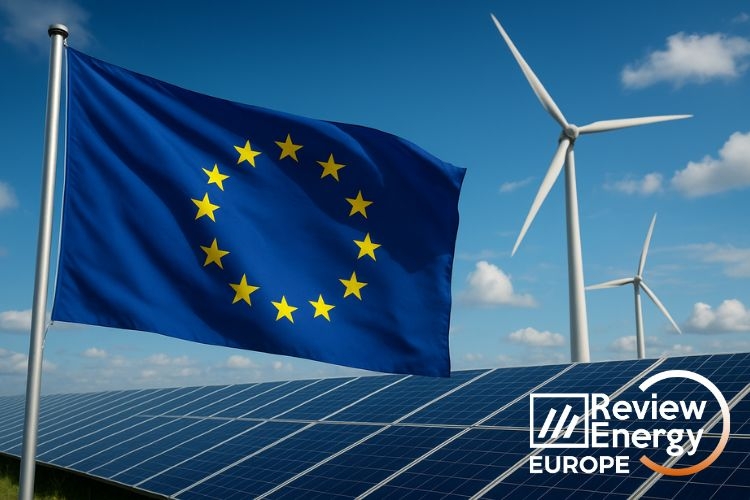


The EU outlines external dimension of its Clean Industrial Deal to strengthen international cooperation
The European Commission and the High Representative have unveiled a new international strategy aimed at securing Europe’s role in global clean energy and technology markets. The “EU Global Climate and Energy Vision” sets out how the bloc will use diplomacy, industrial strength, and strategic partnerships to drive a fair and resilient global transition.
According to the plan, the EU will promote international standards for a just transition, support partner countries in developing their own clean energy pathways, and address emerging security challenges linked to climate change and resource competition.
The initiative adds an external dimension to the EU’s Clean Industrial Deal, positioning Europe as a central actor in the global clean industrial revolution. It seeks to strengthen existing alliances and forge new, mutually beneficial partnerships. Brussels wants the EU to become an industrial powerhouse providing clean technologies and adaptation solutions worldwide, while creating new opportunities for European companies in the clean tech sector.
Renewable energy remains at the heart of the strategy. In 2024, renewables generated nearly half of the EU’s electricity, helping to boost energy independence and security. Since 2015, clean energy investment in the EU has risen by 111%. The new vision sets a target for the EU to achieve a 15% share of the global clean technology market while improving competitiveness in line with the Clean Industrial Deal.
The document also reaffirms the EU’s commitment to a rules-based international order and to fulfilling the goals of the Paris Agreement. The message to global partners, the Commission said, is clear: Europe is a reliable partner, open for business and cooperation, and committed to a fair and transparent transition.
The EU will deepen cooperation through bilateral and multilateral channels, including Free Trade Agreements, Just Energy Transition Partnerships, and Green Alliances. Carbon pricing remains a key element of the approach, seen as essential to reducing emissions, driving innovation, and ensuring an orderly shift away from fossil fuels. A new EU-led taskforce will help partner countries develop effective carbon pricing mechanisms.
The strategy also addresses the growing link between climate change, environmental degradation, and security. The EU will step up engagement at the UN, NATO, and bilateral levels to strengthen global resilience and counter disinformation on climate issues, following up on the 2023 Joint Communication on the Climate-Security Nexus.
Main actions set out in the strategy include:
-
Injecting political momentum: Promoting multilateral and bilateral cooperation to deliver on the Paris Agreement and Global Stocktake commitments.
-
Boosting EU clean tech businesses abroad: Establishing an EU External Clean Transition Business Council, hosting international business fora, and scaling up investment in climate adaptation and resilience.
-
Supporting joint investments: Using the Global Gateway Investment Hub and the Global Europe envelope to connect European companies with global investment opportunities and increase demand for EU technologies.
-
Expanding partnerships: Building new and resilient global value chains through trade and investment partnerships and free trade agreements.
-
Reforming global finance: Supporting reforms of international financial institutions to align with clean transition goals and enhance climate security efforts.
"Energy supplies are being weaponised while our climate rapidly changes. Energy is a resource and a strategic capability. We set out where the EU will focus our climate and energy diplomacy, from promoting European clean tech businesses, to upping our investment in projects across the globe that support a sustainable transition. Our message is simple: We want to secure our continent’s energy supply and work with our partners towards a future that is mutually beneficial, powered by clean energy and defined by climate resilience," Kaja Kallas, High Representative for Foreign Affairs and Security Policy/Vice-President of the European Commission said.

Comentarios
Sé el primero en comentar...