



UK renewable electricity hits historic quarterly record with wind at the forefront
Renewable energy sources generated a record 53.1% of the United Kingdom's electricity during the first quarter of 2026, marking the first time they have supplied more than half of the country's electricity over a quarter, according to the latest Energy Trends report published by the Department for Energy Security and Net Zero (DESNZ).
The figure represents an increase of 7.4 percentage points compared with the same period in 2025 and was driven primarily by a sharp rise in wind power generation, supported by both additional installed capacity and stronger wind speeds.
Renewable generation reaches a record 43.7 TWh
DESNZ data show that renewable electricity generation reached a record 43.7 terawatt-hours (TWh) in the first quarter of 2026, up 18% from 37 TWh recorded during the same period last year.
Low-carbon electricity generation, which includes renewables and nuclear power, accounted for 63.8% of total electricity generation, an increase of 6.5 percentage points year on year.
Meanwhile, electricity generated from fossil fuels fell to 32.8% of the total mix. Gas demand also declined by 5.1%, reflecting a 17% reduction in gas used for electricity generation, partly due to record wind power output during the quarter.
Wind power sets new records
Wind energy was the main contributor to the UK's renewable electricity production during the first quarter.
Overall wind generation rose to a record 29.3 TWh, accounting for 35.6% of total electricity generation, compared with 19.5 TWh and 28.5% during the first quarter of 2025.
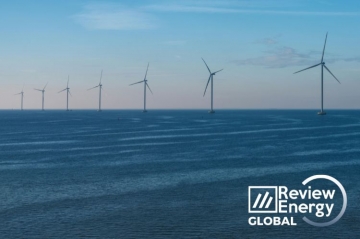
Offshore wind supplied 16.9 TWh, equivalent to 20.5% of total electricity generation, up from 12.9 TWh and 16% a year earlier.
Onshore wind generated 9.6 TWh, representing 15.1% of total electricity generation, compared with 7.3 TWh and 11.7% in the first quarter of 2025.
As a result, wind accounted for 60.8% of all renewable electricity generation, up from 55% during the same period last year.
Solar generation also increases
Alongside wind, solar power was the only other renewable technology to record year-on-year growth during the quarter.
Solar generation increased by 1.8%, reaching 2.7 TWh, compared with 2.65 TWh in the first quarter of 2025.
Nuclear output declines
In contrast, nuclear generation fell by 7%, decreasing from 9.51 TWh in the first quarter of 2025 to 8.83 TWh during the same period this year.
According to DESNZ, the decline was caused by outages at the UK's nuclear power stations. However, the reduction in nuclear output was more than offset by the strong performance of both onshore and offshore wind generation, allowing overall low-carbon electricity production to continue increasing.
RenewableUK highlights the role of wind in strengthening energy security
Commenting on the figures, Ana Musat, Executive Director of Policy and Engagement at RenewableUK, said the latest data confirm that renewable energy has become a cornerstone of the UK's electricity system.
"Renewables continue to break records, and these latest figures reinforce their position as the backbone of our electricity system. Wind power has once again led the way with a significant increase, comfortably outperforming expensive and volatile gas. As conventional power stations retire over the coming years, growing renewable generation will continue to play a vital role in ensuring our energy security."
Musat added that the progress has been supported by the continued commissioning of renewable energy projects across the country and said deployment is expected to accelerate further ahead of the UK Government's next clean energy auction, which is scheduled to open in the coming weeks and will make available a record volume of offshore wind capacity.






Comentarios
Sé el primero en comentar...