


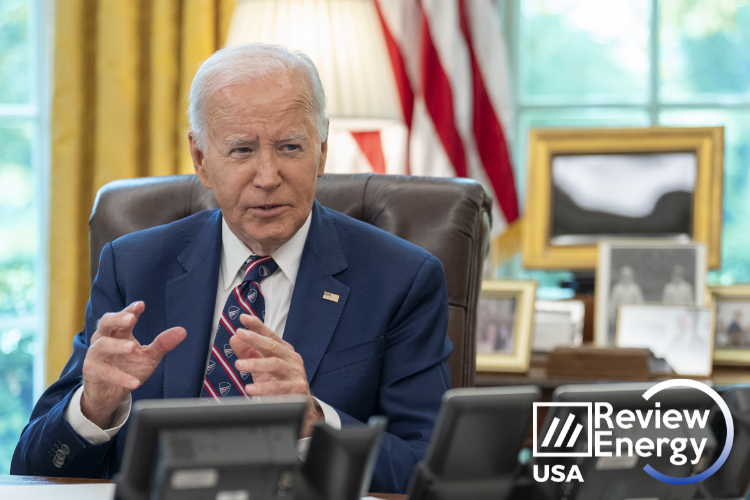


Biden increases solar cell import quota to 12.5 GW while keeping 14.25% tariff in place
President Joe Biden has announced an increase in the tariff-rate quota (TRQ) for imported crystalline silicon photovoltaic (CSPV) cells, raising it from 5 gigawatts (GW) to 12.5 GW annually. This adjustment, effective from August 1, 2024, retains the current safeguard tariff rate of 14.25% on imports exceeding the new quota.
The TRQ was initially imposed by former President Donald Trump in 2018 under Section 201 of the Trade Act of 1974. This measure was introduced to protect the U.S. solar manufacturing sector from competition posed by lower-cost imports, particularly from Asian countries like China. The TRQ set an annual limit of 5 GW for solar cell imports, above which a higher tariff rate applied.
Biden’s decision
In May 2024, Biden signaled his willingness to adjust the TRQ if imports approached the 5 GW threshold. This stance reflects ongoing concerns about the balance between supporting domestic manufacturing and ensuring an adequate supply of solar components to meet growing demand.
Under the new proclamation, the TRQ for solar cells has been expanded to 12.5 GW, allowing for greater import volume at the existing tariff rate. This change aims to alleviate supply constraints while continuing to provide protection for U.S. manufacturers against potentially disruptive competition from cheaper international imports.
Implementation
The increased TRQ will apply to imports entering the U.S. on or after August 1, 2024. Solar cells imported beyond the 12.5 GW limit will continue to be subject to the 14.25% safeguard tariff. U.S. Customs and Border Protection will enforce these new limits to ensure proper application of the updated policy.
This adjustment is expected to help stabilize the U.S. solar market by ensuring a more reliable supply of solar cells while maintaining protections for domestic producers. The move aligns with Biden's broader energy and trade policies, which aim to support the growth of renewable energy and domestic manufacturing capabilities.
Industry response
According to Abigail Ross Hopper, president and CEO of the Solar Energy Industries Association (SEIA), "this move provides an important bridge for module producers to access the supply they need while the United States continues to progress on solar cell manufacturing. This decision will help create a strong, stable module manufacturing sector that can sustain robust cell production in the long run. Federal clean energy policies are fueling a surge in domestic manufacturing investments across the country, which are helping us secure our supply chain and uplift American communities. The President’s recent actions are critical for maximizing the impact of these policies and ensuring the long-term success of American solar manufacturing.”







Comentarios
Sé el primero en comentar...