



Germany ready to accelerate solar energy expansion
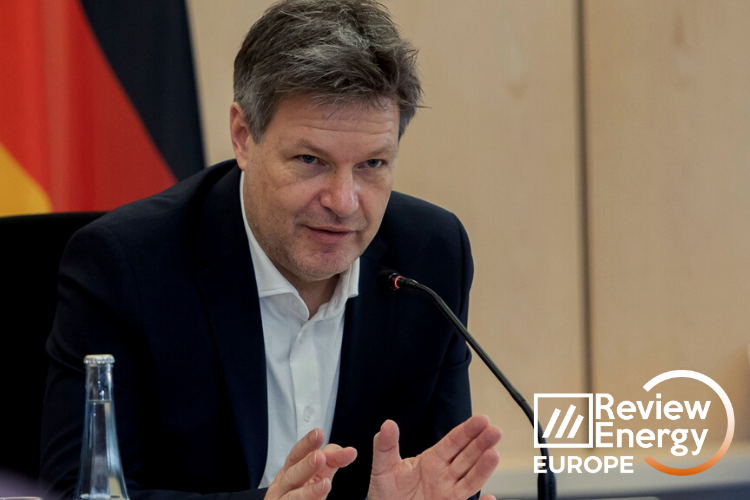
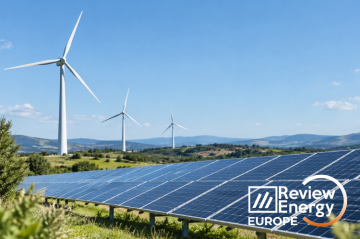
Federal Minister for Economics and Climate Protection Robert Habeck presented a comprehensive photovoltaic strategy. The aim is to significantly accelerate the expansion of solar energy in Germany. To this end, the strategy specifies measures in a total of eleven fields of action.
The spectrum ranges from measures in the field of energy policy to the topics of securing skilled workers, industrial value creation in Europe and technology development. This was preceded by a first PV summit in March 2023. The PV strategy has been under consultation since March. More than 600 comments were received.
Habeck said "photovoltaics is one of the cheapest energy sources of all and is one of the most important sources of electricity generation in the future. By 2030, the share of renewable energies in gross electricity consumption should be 80 percent. With an installed capacity of 215 gigawatts by 2030, photovoltaics should make an important contribution here. This shows that we have a lot of work ahead of us. But we can see that construction is picking up. Last year it was over 7 gigawatts. An interim target of 9 gigawatts applies for the current year. The chances that we will achieve this interim goal are good: in the first quarter of 2023, almost 2.7 GW were newly installed. With the strategy presented, we want to significantly accelerate the expansion and release all the brakes that have so far prevented a faster expansion.”
In the past few months, the federal government has already launched numerous measures to accelerate the expansion of renewable energies, including increasing the tender volumes, adjusting the remuneration rates and removing regulatory hurdles. The PV strategy is now focusing on remaining obstacles.
Fields of action of the photovoltaic strategy:
- Ground-mounted systems: From 2026 the country needs an increase of 11 GW.
per year. Sufficient space must be available for this and planning and approval procedures must become faster. In addition, innovative concepts such as Agri- PV should be used to prevent competition for land. - Roof systems: With the PV strategy Germany wants to give the segment of larger building systems in the commercial sector a boost. The strategy also contains improvements and simplifications in the area of ??small PV systems. The goal is 11 GW growth per year from 2026.
- Tenant electricity and communal building supply: The roofs of apartment buildings are used far too little for PV today, says the government. To change that, they will introduce a new model for building community service. This enables the on-site use of solar power for all parties in the house. In addition, they are improving the existing tenant electricity model.
- Balcony PV: Germany wants Balcony PV to be easy for everyone to use. In addition, bureaucracy should be eliminated and the systems should be able to be connected quickly.
- Grid connections: Government wants to significantly speed up and simplify the grid connections of both ground-mounted systems and roof systems. For larger roof systems, for example, they will simplify the certification process.
- Acceptance: Strengthen participation. Topics here include the financial participation of the municipalities and simple rules for community energy.
- Tax law: The removal of tax law hurdles is important for the ramp-up of PV. Whether it's trade or inheritance tax, for example, the BMWK is committed to further improvements in PV.
- Industry: To build up industrial production capacities for the entire value chain in Germany and Europe, so that the increasing demand can be covered to a large extent from domestic production.
- Skilled workers: To increase the number of skilled workers for the manufacture, planning, installation and maintenance of PV systems, among other things by increasing the number of training opportunities and advanced training courses.
- Technology development: Germany wants to promote technology development along the entire value chain, including as part of the forthcoming 8th Energy Research Program.
- European framework: EU processes and specifications are increasingly determining the legal framework in the energy sector. They therefore want to push ahead with faster PV expansion at European level, for example with the EU strategy for solar energy and as part of the “ Fit for 55 ” package.
The implementation of the strategy begins immediately after its publication. Some of the measures are to be submitted to the cabinet before the summer break as part of the so-called "Solar Package I". Further measures, some of which require even greater preparatory work, are to follow in a second solar package.

Comentarios
Sé el primero en comentar...