




Great Britain opens access to plug-in solar with potential savings of £110 a year
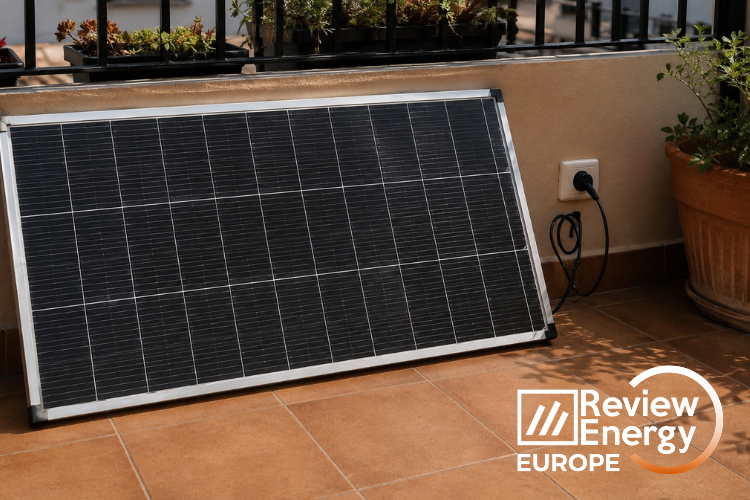
The UK government has legalised the sale and use of plug-in solar panels across Great Britain, allowing households to generate up to 800 W of electricity without installation costs and potentially save up to £110 a year on their energy bills.
The new rules come into force on 27 August 2026, following independent safety testing of compliant plug-in solar products. The government said the testing covered all key electrical elements and confirmed that the devices are safe and compatible with UK wiring.
Plug-in solar kits can be installed in outdoor spaces or on some balconies and are designed to be connected directly to a household's electricity supply. According to the government, a single kit can provide up to 20% of an average home's electricity consumption and, when sunlight is available, could power appliances including a typical fridge, television, Wi-Fi router, laptop, phone charger and Xbox S simultaneously.
The government said the UK safety specification is more stringent than Germany's, where plug-in solar technology is already widely used. Around 500,000 new devices were plugged in in Germany last year, according to the UK government.
Retail rollout
The new rules will allow consumers to purchase plug-in solar kits through major retailers. Currys, B&Q, Screwfix and Amazon have worked with the government on the rollout, while retailers including Argos and Wickes have also committed to stocking the products.
Amazon's UK and Ireland country manager, John Boumphrey, said the company welcomed the measure as a way for households to generate their own electricity, reduce bills and contribute to the UK's net-zero goals.
Argos managing director Graham Biggart said the technology would give consumers another option for managing their energy use, while Currys said it would work with the Department for Energy Security and Net Zero and suppliers to make the products available through its website and larger stores.
Wickes CEO David Wood said plug-in solar could make solar energy accessible to more households, particularly given the UK's ageing and relatively inefficient housing stock.
Access for renters and flats
The government said the technology could broaden access to solar beyond homeowners with suitable rooftops, including renters and people living in flats.
However, households may need to obtain permissions before purchasing or installing a system. Depending on the property, this could include permission from a landlord, building owner or freeholder, as well as planning permission or listed building consent.
Decisions on such requests will remain with landlords, freeholders and councils. The government said it encourages them to consider applications on an individual basis.
Energy Saving Trust knowledge manager Joanna O'Loan said the arrival of plug-in solar represented a significant step in expanding household access to clean energy, while stressing that savings would vary depending on each home.
Solar installations reach record levels
The legalisation comes as demand for solar is already at record levels in the UK.
Figures recently released by the Microgeneration Certification Scheme (MCS) showed almost 150,000 certified solar installations during the first six months of 2026, 17% more than during the first half of 2025, which had previously been the strongest start to a year. The government said this equates to approximately one installation every 74 seconds.
Battery installations have also increased sharply, with almost 36,000 certified installations recorded during the same period, nearly twice the number registered in the corresponding period last year.
The government estimates that rooftop solar can already save homeowners up to £480 a year, while the introduction of plug-in systems is intended to extend the benefits of solar to properties where conventional rooftop installations may not be practical.
Industry welcomes the change
Solar Energy UK CEO Chris Hewitt described the legalisation as an example of government and industry working together to accelerate access to renewable energy. He said plug-in solar could bring solar power to households that have previously been unable to access it.
The Renewable Energy Association also welcomed the measure. Its CEO, Trevor Hutchings, said plug-in solar could help expand access to clean, low-cost electricity, including among renters and flat owners. He also linked the technology to the UK's exposure to volatile international gas prices, arguing that greater deployment of renewables could strengthen energy security.
Meanwhile, the Energy Networks Association said the measure represented an important step in incorporating microgeneration safely into the UK's electricity grid. Its Director of Electricity Systems, David Boyer, said network operators would continue working with the government, Ofgem and manufacturers as the registration process for microgeneration evolves.
The government's announcement forms part of a wider package of measures aimed at reducing household energy costs. In July, Prime Minister Keir Starmer announced plans to cut VAT on energy bills from this winter. The government also points to the £150 reduction in energy costs included in last year's Budget and the expansion of the Warm Home Discount to around six million households.



Comentarios
Sé el primero en comentar...