
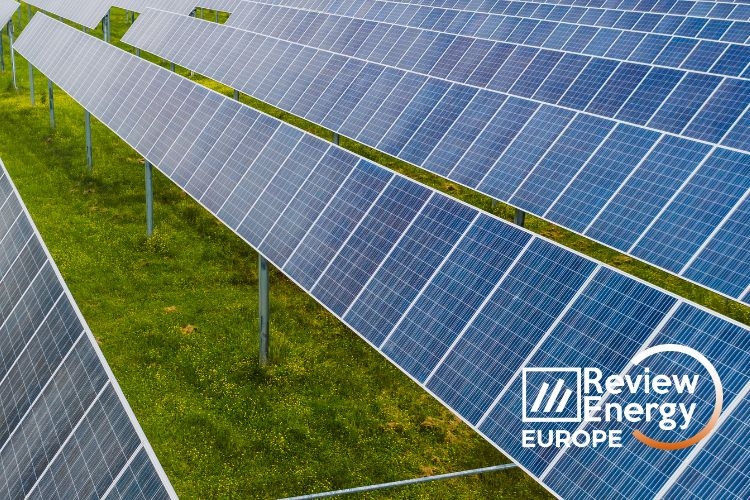


Solar employment in Europe slows after record growth in 2024
The European solar sector reached an unprecedented 865,000 jobs in 2024, a 5% increase compared to 2023, according to the latest EU Solar Jobs Report by SolarPower Europe. This growth far outpaced the overall EU labor market, which expanded by just 0.6%. However, the sector is now bracing for its first downturn in nearly a decade, with a projected 5% drop in jobs in 2025.
The report warns that the solar workforce could fall to around 825,000 in 2025, driven by a slowdown in residential rooftop installations and mounting challenges in the European manufacturing sector. These factors are also expected to reduce the EU solar market by 1.5% next year.
“In 2025, solar energy will still generate 825,000 quality jobs in Europe, which is remarkable. But this falls short of the one million solar jobs we had expected by now. For the first time in a decade, solar jobs growth has stalled. EU leaders must act to stabilize the market, support European solar manufacturers, and strengthen skills strategies,” said Walburga Hemetsberger, CEO of SolarPower Europe.
Growth slows after record expansion
In 2022, rooftop solar accounted for 73% of the EU solar workforce, but this share has fallen to 59% in 2024 and is projected to drop further to 56% by 2029. The slowdown follows the easing of the energy crisis, reduced household incentives, and persistent grid and flexibility constraints.
While the long-term outlook remains positive — with projections of 916,000 jobs by 2029 — SolarPower Europe has revised down last year’s forecast that the EU would reach one million solar jobs by 2027. That milestone is now unlikely to be achieved before 2030.
National leaders and shifts in the solar workforce
Germany remains the EU’s largest solar employer, despite a 17% contraction between 2023 and 2024, with 128,000 jobs. Spain ranks second with 122,000 workers, focusing primarily on large-scale projects that require fewer workers per gigawatt. Italy, currently in third place, is expected to overtake Spain by 2029 thanks to steady market growth.
Poland, once the EU’s second-largest solar employer, fell to fourth place with around 90,000 jobs, reflecting the sharp decline in its rooftop segment. France, Romania, and Hungary complete the top seven EU markets in terms of solar employment.
- Policy roadmap to secure Europe’s solar workforce
- To safeguard the role of solar in Europe’s decarbonization goals, the report lays out ten policy recommendations:
- Establish a European Solar Skills Intelligence Hub.
- Scale up and stabilize renewable skills funding with simplified access for SMEs.
- Map existing skills initiatives across member states.
- Launch sectoral agreements to enable large-scale workforce reskilling.
- Run coordinated campaigns to improve the attractiveness of green technical careers.
- Promote gender balance and diversity in solar careers.
- Develop renewable cross-sector career pathways and portable skills frameworks.
- Introduce a European Solar Skills Passport.
- Adopt a broader electrification skills strategy linking solar with heat, mobility, and storage.
- Invest in advanced training in artificial intelligence (AI) and digital technologies.
The solar sector remains a cornerstone of Europe’s clean energy transition, but the 2025 downturn signals the urgent need for coordinated policies to strengthen the industry’s resilience and workforce.




Comentarios
Sé el primero en comentar...