




Solar uses just 0.07% of US farmland, new SEIA map shows
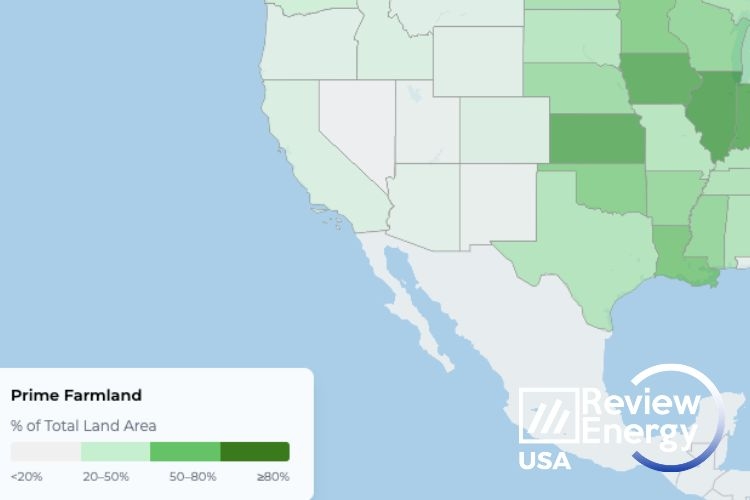
The Solar Energy Industries Association (SEIA) has launched a new interactive map showing that solar energy occupies just 0.07% of US farmland and 0.04% of the country’s total land area, highlighting the relatively small footprint of solar development compared with other common land uses.
The tool, unveiled amid ongoing discussions around the US Farm Bill and increasing scrutiny of solar development on agricultural land, compares solar projects with other major land uses, including suburban expansion, golf courses and abandoned farmland. According to SEIA, the findings demonstrate that solar occupies a remarkably small share of America’s farmland, particularly when compared with permanent land conversion driven by low-density suburban development and recreational uses.
The association argues that communities, landowners, farmers, local officials and solar and storage developers share a common interest in responsible land use. While all forms of energy infrastructure require land, SEIA notes that solar projects are often among the least disruptive forms of energy development and can provide stable, long-term income for farmers and rural communities.
Among the key findings highlighted by the map, solar currently uses only 0.04% of total U.S. land area and 0.07% of US farmland. The analysis also found that there is no state in the country where solar development occupies more than 0.5% of prime farmland.
The study further shows that nearly every state has more abandoned prime farmland than prime farmland used for solar projects. Nationally, there are 43 acres of abandoned prime farmland for every acre of prime farmland occupied by solar installations.
SEIA’s analysis also compares solar development with other forms of land use. According to the data, golf courses use 2.6 times more prime farmland than solar projects, while suburban development has consumed approximately six times more prime farmland than solar since 2014.
The association also points to the growing role of dual-use solar projects across the country. Many installations support agricultural activities such as livestock grazing and pollinator habitats, while providing farmers and private landowners with a stable source of long-term revenue. Unlike permanent suburban development, solar projects can also be decommissioned at the end of their operating life.
“America depends on land to grow food, build communities, and power our lives,” said Tim Pawlenty, President and CEO of SEIA. “Responsible land use means balancing all of those needs. This map provides important context by showing that solar and agriculture can thrive together.”
According to Pawlenty, solar development uses a very small amount of farmland compared with many other common land uses, while also delivering affordable electricity, local tax revenues and an additional source of income for farmers and landowners.
SEIA said it has developed extensive land-use resources, research and best-practice guidance to help communities make informed decisions on responsible solar and energy storage development as demand for clean energy infrastructure continues to grow across the United States.

Comentarios
Sé el primero en comentar...