
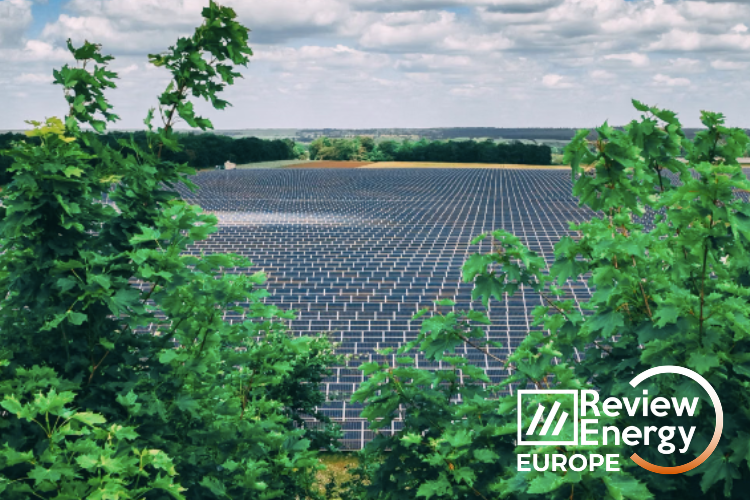


UK approves 400 MW solar and 600 MW storage project in Lincolnshire
Low Carbon has secured development consent for its Beacon Fen Energy Park in Lincolnshire, clearing the way for the development of a large-scale solar and battery storage project with 400 MW of solar capacity and 600 MW of co-located battery storage.
The approval was granted through a Development Consent Order (DCO), the planning mechanism used for Nationally Significant Infrastructure Projects (NSIPs) in England. According to Low Carbon, Beacon Fen is the first large-scale solar project to receive consent under the new Secretary of State for Energy Security and Net Zero, Miatta Fahnbulleh.
Located east of Sleaford and north of Heckington, the project is expected to generate enough electricity to supply approximately 130,000 UK homes each year once operational. Low Carbon estimates that it could also avoid around 72,000 tonnes of CO2 emissions annually.
The proposed development will connect to the electricity grid through the Bicker Fen substation, enabling the project to supply renewable power to the UK system while supporting the government's objectives on domestic energy generation and energy security.
Low Carbon submitted the Beacon Fen DCO application to the Planning Inspectorate in April 2025, and the application was accepted for examination in May of that year. The examination phase began in September 2025, before development consent was granted on 21 August 2026.
Mike Rutgers, Managing Director of UK Development at Low Carbon, described the decision as a "landmark moment" for the company, highlighting the role of large-scale renewable projects in reducing dependence on fossil fuels and strengthening the UK's energy system.
“Projects like Beacon Fen will be central to delivering the UK's clean power ambitions, reducing reliance on fossil fuels and creating a more resilient energy system,” Rutgers said.
Beyond its generation capacity, the project will combine solar PV with battery storage, allowing electricity generated by the solar installation to be stored and dispatched when required. The 600 MW battery component will therefore form an important part of the project's contribution to grid flexibility alongside its renewable generation capacity.
For Low Carbon, the decision adds another major project to its UK development portfolio as the company continues to advance large-scale renewable energy infrastructure. The company said it will continue engaging with local communities and other stakeholders as Beacon Fen progresses towards construction.


Comentarios
Sé el primero en comentar...