



U.S. solar project delays fall to 20% in Q3 2025
The share of U.S. solar projects reporting delays in their expected online date continues to fall, signaling a smoother build-out pipeline for the country’s fastest-growing source of new electric generation capacity.
According to data compiled from multiple Preliminary Monthly Electric Generator Inventory reports by the U.S. Energy Information Administration (EIA), solar projects representing around 20% of planned capacity reported delays in the third quarter of 2025. This marks an improvement from 25% in the same period of 2024.
Large-scale solar photovoltaic (PV) developments—primarily driven by utilities and independent power producers—remain the engine of U.S. solar growth. Although 2024 saw a relatively high number of delayed projects, it still ended as a record year, with developers installing 31 gigawatts (GW) of new utility-scale solar capacity. The additions increased total U.S. capacity by 34%, underscoring the overall resilience of the sector.
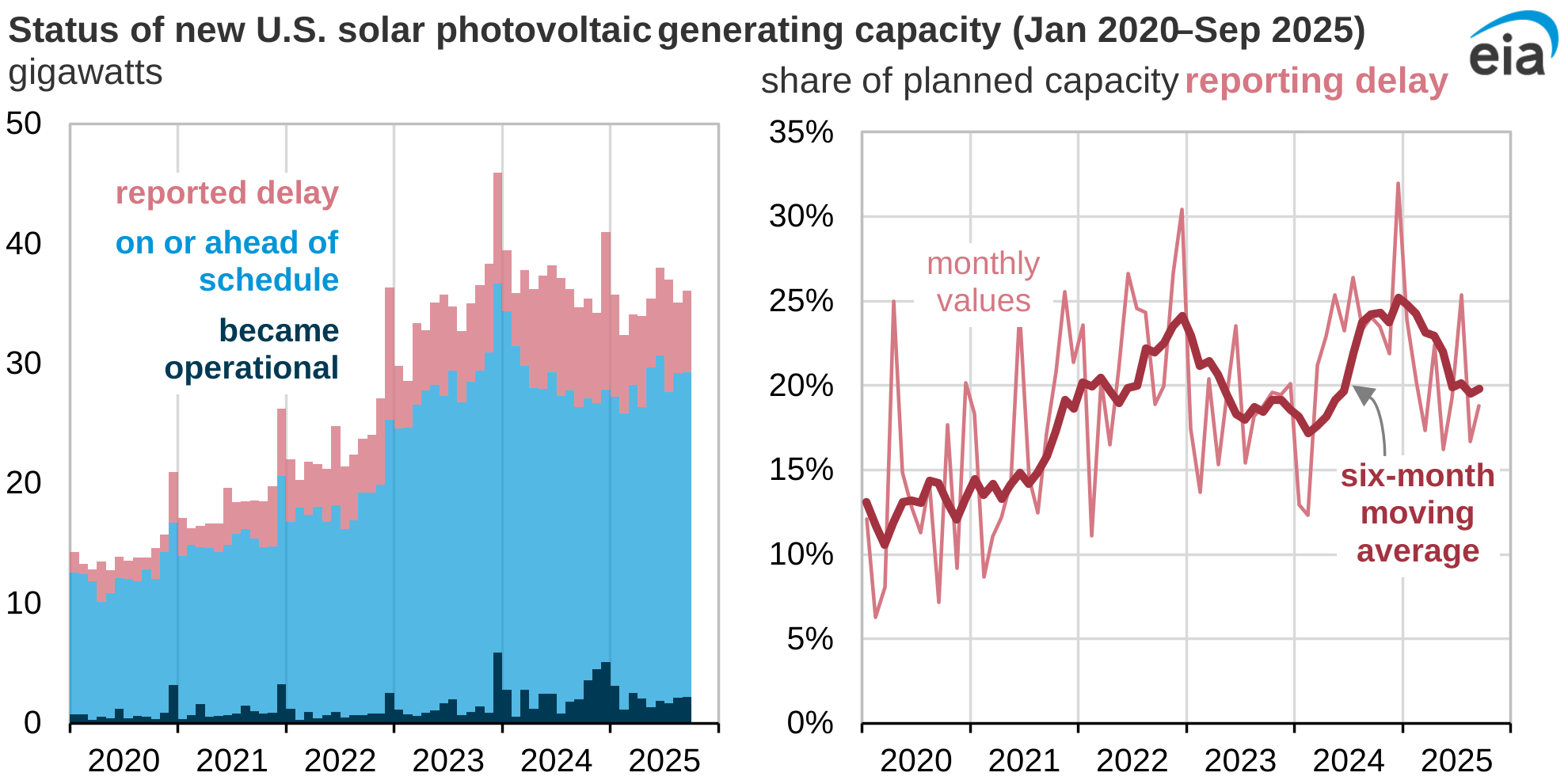
Data source: U.S. Energy Information Administration, based on data compiled from multiple Preliminary Monthly Electric Generator Inventory reports
Despite periodic scheduling setbacks, the EIA notes that delays tend to be short and far more common than cancellations. In a typical month, less than 1% of planned solar capacity is fully canceled.
Developers initially report their planned operational dates through the EIA’s Annual Electric Generator Report (EIA-860). Starting 12 months before a project’s expected online date, they must provide monthly status and schedule updates via the preliminary monthly inventory. The agency highlights that developers often overestimate the pace of deployment: in January 2024, companies planned to bring more than 36 GW online during the year, but the final installed amount totaled 31 GW.
Most delays occur in the final stretch of development—during the late construction or testing phases—and typically last only one or two months.
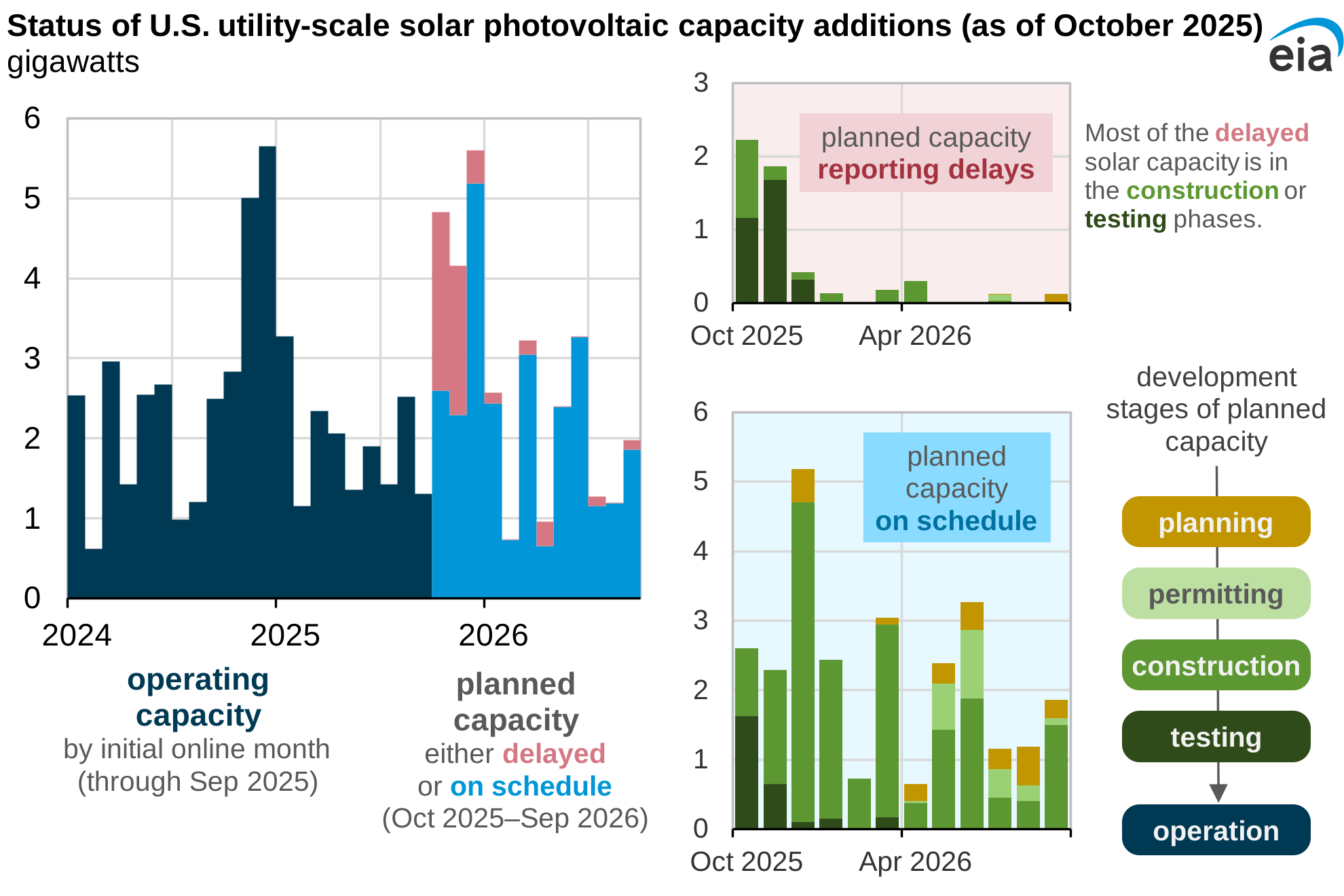
Data source: U.S. Energy Information Administration, based on data compiled from multiple Preliminary Monthly Electric Generator Inventory reports
Looking ahead, developers report plans to add 32 GW of new solar capacity between October 2025 and September 2026. Of this total, about 5 GW comes from projects that have already postponed their originally reported online dates.
As the U.S. solar industry continues its rapid expansion, the data suggests that while minor delays remain common, the overall pipeline appears increasingly stable and aligned with the country’s accelerating clean energy ambitions.





Comentarios
Sé el primero en comentar...