





UK–Japan deal puts offshore wind at the centre of economic security cooperation
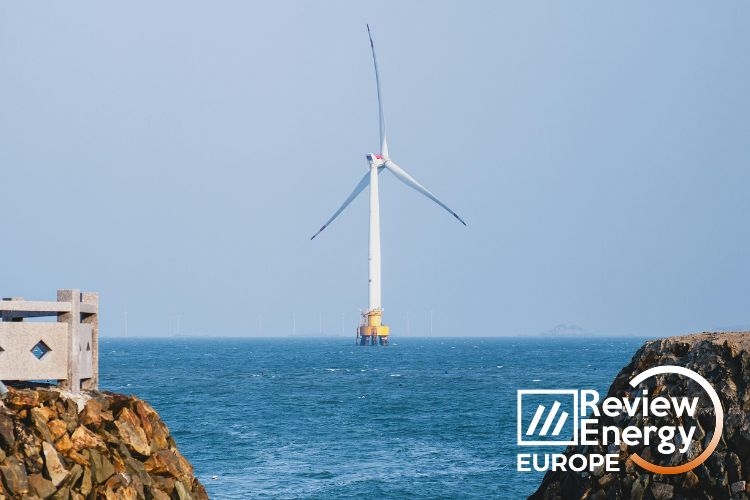
The United Kingdom and Japan have launched an Offshore Wind Industrial Compact as part of a wider Joint Declaration on Economic Security Cooperation, with the aim of accelerating collaboration in offshore wind financing, research and development, and supply chain development.
The agreement was signed in London on 14 June 2026 by the Prime Minister of the United Kingdom, Keir Starmer, and the Prime Minister of Japan, Takaichi Sanae.
Offshore wind at the centre of industrial cooperation
Within the broader industrial strategy framework, both countries agreed to launch the Offshore Wind Industrial Compact, which is designed to promote closer cooperation between the UK and Japan in:
- Financing of offshore wind projects
- Research and development (R&D) in offshore wind technologies
- Development and strengthening of offshore wind supply chains
The initiative is embedded in a wider Industrial Strategy Partnership, which includes cooperation across strategic sectors, but offshore wind is explicitly highlighted as one of the priority areas for joint action.
Wider economic security framework
The offshore wind agreement forms part of a broader UK-Japan Economic Security Cooperation framework, which aims to strengthen coordination across trade, investment, technology and supply chains.
Both governments will deepen cooperation through a range of existing bilateral mechanisms, including economic, financial, energy, digital and science and technology dialogues.
Energy, supply chains and strategic resilience
The declaration also places strong emphasis on supply chain resilience and energy security, highlighting the importance of secure and diversified supply chains for critical sectors.
It underlines the need to:
- Strengthen resilience in energy supply chains
- Improve coordination with international partners, including the IEA
- Ensure stability in global energy trade flows
- Support initiatives such as the Global Clean Power Alliance (GCPA) and POWERR Asia
The agreement also addresses risks of economic coercion and export restrictions, particularly affecting critical minerals and strategic inputs.
Critical minerals and industrial cooperation
Both countries commit to deepening cooperation on critical minerals supply chains, including mining, refining, recycling and stockpiling, as well as cooperation on battery materials and downstream industries.
They also aim to strengthen coordination among G7 and like-minded partners to reduce strategic dependencies and reinforce industrial resilience.
Innovation, technology and defence links
The declaration expands cooperation in critical and emerging technologies, including research security, startup ecosystems and venture capital collaboration.
It also highlights industrial cooperation in the defence sector, with the Global Combat Air Programme (GCAP) identified as a key platform for technology transfer, supply chain integration and joint industrial development.
Commitment to rules-based economic order
Finally, both governments reaffirm their support for the WTO-based multilateral trading system, CPTPP, and bilateral trade frameworks, while calling for reforms to address non-market practices, overcapacity and trade distortions.
They also pledge to strengthen engagement with Global South countries to support economic resilience and maintain a rules-based international economic order.



Comentarios
Sé el primero en comentar...