




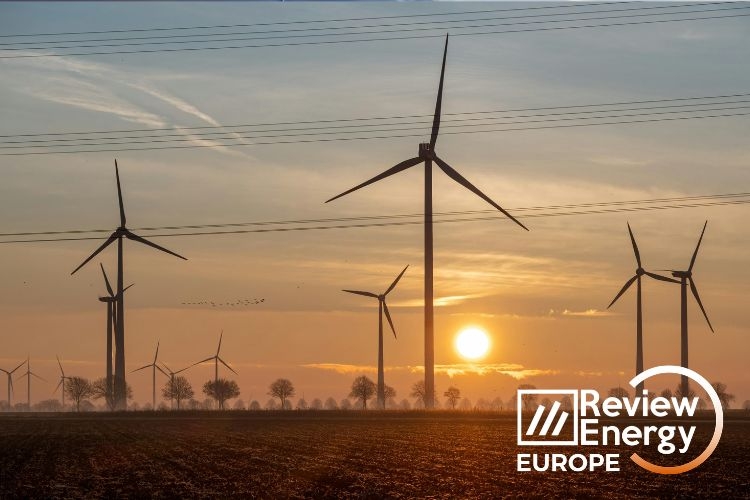


Irish wind farms expand fiscal contribution to councils, reaching €74.9m
Wind farms across Ireland are set to contribute almost €75 million in commercial rates to local authorities in 2026, according to new analysis compiled by consultancy Halpin’s on behalf of Wind Energy Ireland.
The figures, released to coincide with Global Wind Day (15 June), show that annual rates payments from wind farms will rise from €69.27 million in March 2025 to €74.87 million in March 2026, an increase of almost €5.6 million year-on-year.
Growth driven by new projects and rates adjustments
The analysis attributes the increase to continued investment in renewable energy infrastructure, mainly through new wind farms entering operation, as well as changes to the rates system in certain counties.
Overall, wind energy-related commercial rates have increased by 8% since 2025, reinforcing the sector’s growing contribution to local public finances.
According to the report, these payments play a significant role in supporting rural local authority budgets, helping to fund services such as roads, public lighting, fire services, libraries, planning, parks and community infrastructure.
Local authority impact varies significantly by county
The data shows a highly uneven distribution of wind-related income across Ireland’s counties.
- Offaly is the most dependent on wind energy rates, with wind farms contributing nearly 31% of total commercial rates income.
- The county has seen wind-related rates income increase by 31.5% year-on-year and by 51.8% since 2022, equivalent to an additional €8.8 million annually.
Other counties where wind energy contributes a significant share of commercial rates income include Kerry, Mayo, Tipperary, Donegal, Roscommon and Leitrim, with several receiving millions of euros annually from wind developments. Cavan, Galway and Clare are also highlighted as benefiting substantially.
Overall, in nine counties, wind farms now account for more than 10% of total commercial rates income, underlining the sector’s fiscal importance at local level.
Industry and consultancy comments
David Halpin, whose firm compiled the analysis, said the financial role of wind energy in local government funding should not be underestimated: “The contribution of the wind sector to local councils cannot be understated. Outside of major urban areas, wind projects are often among the largest single contributors to their county.”
Noel Cunniffe also highlighted the broader economic and energy security benefits of wind generation: “Every wind turbine generating electricity reduces our reliance on imported fossil fuels and brings long-term economic benefits to local communities. Irish-made energy insulates businesses from global economic shocks, supports jobs and strengthens our energy security.”
He added that the sector’s contribution through commercial rates alone demonstrates its increasing role in supporting public finances: “This year wind farms will contribute almost €75 million in commercial rates to local authorities across Ireland showing that county council budgets are being backed by wind.”
Wider community benefits
Beyond local authority revenues, wind farms also contribute through community benefit funds, supporting local sports clubs, community facilities and social initiatives.
Cunniffe said these funds, combined with rates income and investment, ensure that renewable energy infrastructure delivers tangible benefits: “This money helps to fund essential local services while ensuring communities directly benefit from renewable energy infrastructure.”
Fiscal significance for rural Ireland
The report concludes that wind energy is becoming a structurally important source of income for rural councils, with implications for small and medium-sized businesses that could otherwise face higher rates burdens if wind-related revenues were not available.


Comentarios
Sé el primero en comentar...