
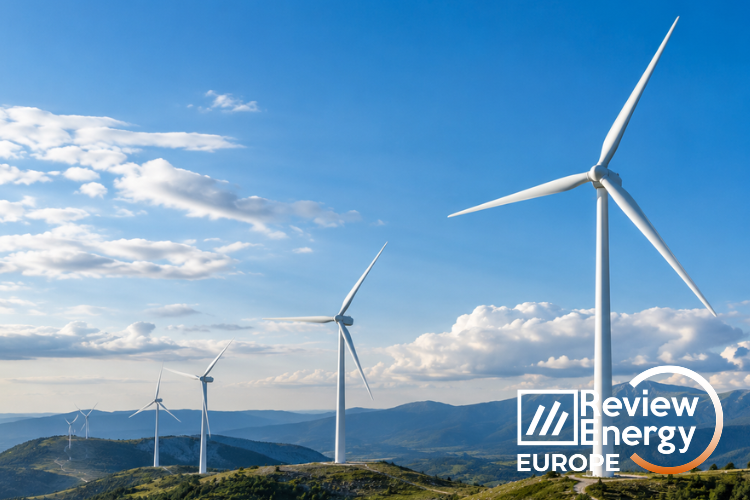


WindEurope compiles 40 best-practice cases to align wind energy with biodiversity
WindEurope has published a new Wind energy & biodiversity best practice booklet, bringing together 40 case studies from 19 European countries to show how the wind sector is integrating biodiversity protection into project development and operation.
The publication gathers examples covering different species, habitats and wind technologies, with contributions from WindEurope members across Europe. Its aim is to illustrate practical approaches already being used by the industry to reduce environmental impacts and support nature protection.
Four steps to reduce environmental impacts
The case studies are structured around the mitigation hierarchy, which is based on four main steps: avoid, minimise, restore and compensate.
The booklet also includes examples of voluntary measures designed to improve ecological conditions beyond the minimum requirements attached to individual projects.
WindEurope notes that careful project planning and siting can help prevent or reduce impacts on species such as birds and bats. During construction, additional measures can include seasonal restrictions during breeding periods or technologies aimed at reducing underwater noise in offshore wind projects.
Onshore and offshore measures
The publication includes examples from both onshore and offshore wind projects, reflecting the range of solutions that can be applied depending on local habitats and species.
For offshore wind, measures can include seabed protection, noise-mitigation technologies during installation and actions designed to enhance biodiversity around infrastructure. Onshore projects can apply measures such as improved site selection, operational adaptations and habitat restoration.
WindEurope also stresses that potential impacts should be assessed before construction through environmental assessments, with mitigation measures tailored to the specific conditions of each project.
With the new booklet, the association aims to show how continued wind-energy deployment can be accompanied by practical measures to protect and improve biodiversity across Europe.


Comentarios
Sé el primero en comentar...