
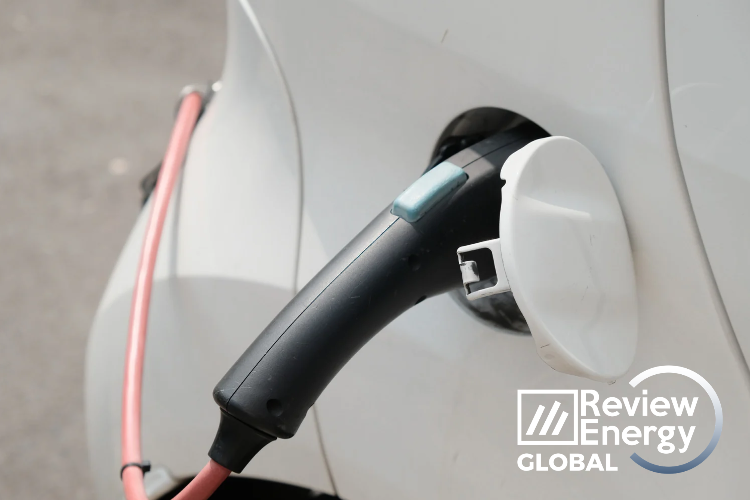


EVs could displace 5.8 million barrels of oil per day by 2034, T&E finds
Battery electric vehicles (BEVs) now displace 1.2 million barrels of oil per day worldwide, compared with 215,000 barrels in 2021, highlighting the growing impact of transport electrification on global oil demand, according to a new analysis by Transport & Environment (T&E). Published five years after the Glasgow COP26 commitments to phase out fossil-fuel-powered vehicles by 2040 or earlier, the analysis finds that BEVs now account for 4.2% of the global car fleet but represent 25% of new car sales, up from 6.6% in 2021. Their combined impact is equivalent to avoiding around 1.2% of global oil consumption.
The analysis also highlights the contribution of electric buses and trucks to reducing fuel demand. Electric buses now account for 5% of the global fleet, while battery electric trucks represent 1%, although they exceed 50% of new vehicle sales in some countries. Together, these vehicles are estimated to displace up to 320,000 barrels of oil per day, according to T&E.
Beyond reducing oil consumption, BEVs currently on the road prevent more than 200 million tonnes of CO2 equivalent emissions annually. T&E argues that accelerating vehicle electrification is essential to reducing dependence on oil, strengthening energy security and limiting transport emissions, particularly as road transport accounts for nearly half of global oil consumption.
Looking ahead, T&E estimates that, under current policies, battery electric cars could displace as much oil by 2034 as the sustained loss of supply recorded in 2026, estimated at approximately 5.8 million barrels per day. The organisation's senior director, Antony Froggatt, called on world leaders to establish binding electrification targets at this year's COP, arguing that the transition should be driven not only by climate objectives but also by energy security considerations.



Comentarios
Sé el primero en comentar...