
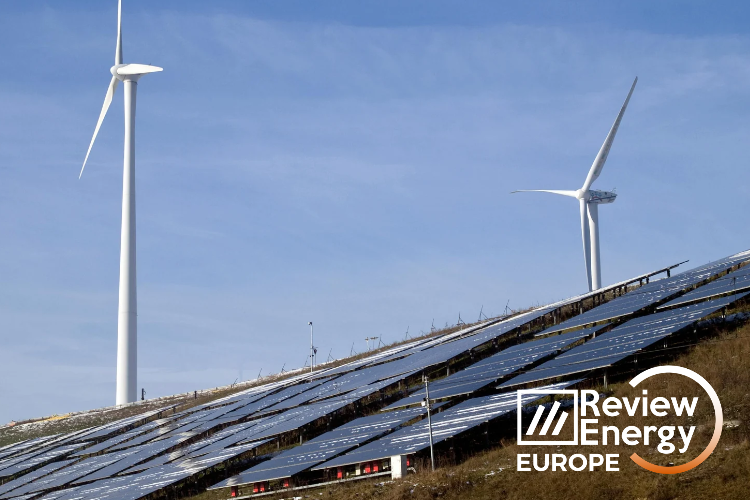


Germany approves 2026 Climate Protection Report as further efforts remain necessary to meet 2045 target
Germany has reduced its greenhouse gas emissions by around 48% since 1990, while renewable energy sources covered approximately 55% of the country's gross electricity consumption in 2025, according to the 2026 Climate Protection Report approved by the federal government. The report highlights progress towards Germany's target of achieving climate neutrality by 2045, although it warns that further efforts will be necessary to meet the country's climate objectives.
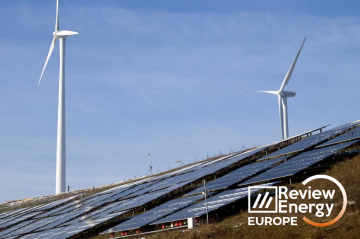
The energy sector recorded particularly significant progress, with renewable energy sources continuing to gain ground in electricity generation. In 2025, solar power generation surpassed that of both natural gas and lignite for the first time. The report also identifies structural changes across other major sectors, as innovative technologies and climate-friendly production methods become increasingly important while creating new economic opportunities. Progress was also recorded in heating and transport, with heat pump sales exceeding gas boiler sales for the first time in 2025.
Despite these developments, the report stresses that Germany must intensify its climate action to remain on track for its 2045 neutrality target. The assessment is based on data and projections published by the Federal Environment Agency (UBA) on 14 March 2026. However, these projections do not include the expected impact of the government's 2026 Climate Protection Programme, adopted on 26 March, or account for recent geopolitical developments and the associated uncertainties in energy and raw material markets.
The 2026 Climate Protection Programme contains 67 measures expected to reduce greenhouse gas emissions by approximately 27 million tonnes by 2030. These include expanding wind energy, support programmes for electric mobility and initiatives targeting industry, buildings and more sustainable land use. The government has also adopted 23 additional measures in the areas of land use, land-use change and forestry (LULUCF), which are intended to help achieve the climate targets in this sector over time.
The 2026 Climate Protection Report fulfils an annual reporting obligation established under Germany's Climate Protection Act. It documents greenhouse gas emission trends, the implementation status of climate protection measures and their expected emission reduction effects, providing an assessment of the country's progress towards climate neutrality by 2045.

Comentarios
Sé el primero en comentar...