
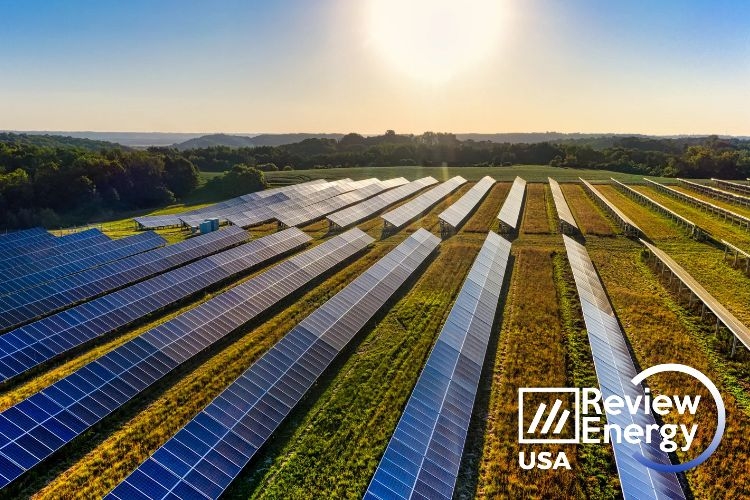


Can solar and batteries help the US grid keep pace with rising demand?
The Solar Energy Industries Association (SEIA) and Current Energy Group have released a white paper proposing a framework for grid operators and energy regulators to use distributed energy resources (DERs), including solar power and battery storage, to meet rising electricity demand, improve grid reliability and reduce energy costs in the US.
The report, titled Distributed Capacity Procurement (DCP) Framework, comes as state energy leaders and regulators face growing electricity demand, high energy prices and ageing infrastructure. It sets out three procurement pathways designed to increase available capacity, respond to rising loads and address infrastructure needs more quickly and cost-effectively.
The framework is based on two principles: using the least restrictive procurement pathway that meets the identified need, and prioritising customer-owned or third-party-owned distributed energy resources. Utility-owned resources should be considered only in limited circumstances, according to the white paper.
The report also outlines 10 key principles and accompanying policy tools intended to help regulators put the framework into practice using implementation tools already available to them.
Competitive procurement of third-party-owned distributed resources can reduce electricity bills in several ways, including by lowering utilities’ reliance on higher-cost wholesale electricity market purchases to meet capacity needs.
The white paper draws on the policy work and expertise of SEIA’s Distributed Power Project team, following the combination of the Coalition for Community Solar Access (CCSA) with SEIA.
“Distributed energy resources can provide much-needed capacity at the speed and scale required to meet the moment,” said Samantha Weaver, SEIA’s senior director of state regulatory affairs. She added that the framework offers regulators and policymakers a roadmap for developing a grid capable of meeting the needs of the modern economy.
Matthew McDonnell, managing partner of Current Energy Group, said distributed resources could help address load growth, ageing infrastructure and rising energy bills. He said unlocking their potential would require practical frameworks that support competitive, transparent and fair market-based solutions.
The report also highlights recent state-level legislation to expand distributed energy resources, including community solar and battery storage. These resources can be aggregated through programmes such as virtual power plants to maximise their value to the electricity system.

Comentarios
Sé el primero en comentar...