
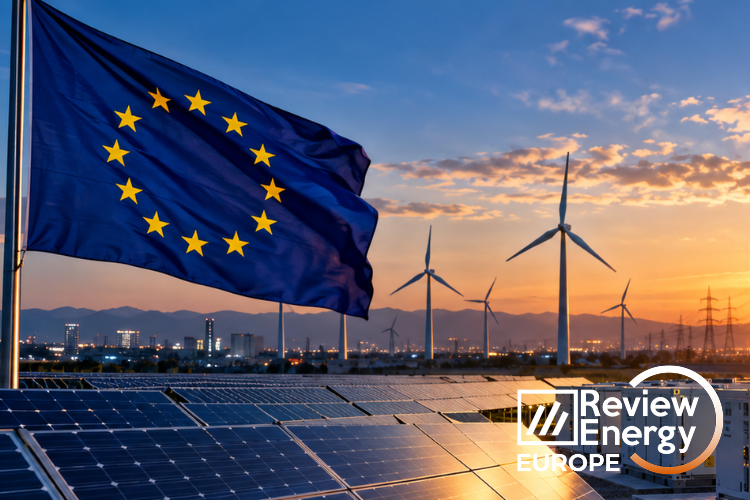


European electricity cushions the gas shock, but storage and flexibility still lag behind
Europe’s electricity system proved more resilient to the energy shocks of 2026 than fossil fuels, according to Eurelectric’s Power Barometer 2026.
Between February and August, EU electricity prices increased by 22.8%, while gas prices surged by 88.4%, amid geopolitical tensions, extreme weather and renewed disruption across global energy markets.
Eurelectric says the high share of clean generation helped cushion consumers and industry from part of the volatility seen in fossil fuel markets.
Electricity proved more resilient than gas
Following the blockade of the Strait of Hormuz, gas prices rose by 41% between February and May, while EU electricity prices actually fell by 7% over the same period.
A record-hot summer later pushed electricity prices higher again, as gas reached new highs, Nordic hydropower weakened and nuclear availability fell because of high river temperatures, low water levels and planned maintenance.
Even so, Eurelectric concludes that electricity remained significantly more resistant to the fossil fuel shock over the full period.
“2026 has seen severe disruption of global energy markets, once again exposing the risks of reliance on imported fossil fuels. Amidst the turmoil, we’re seeing real proof that Europe’s bet on clean electricity is paying off,” said Kristian Ruby, Secretary General of Eurelectric.
Clean power reached 72% of EU generation
The report finds that 72% of EU electricity generation in 2026 came from clean sources, helping to limit the impact of fossil fuels on power prices.
However, Eurelectric warns that Europe still needs to accelerate the deployment of storage and flexibility solutions to fully capture the benefits of domestically produced electricity and reduce exposure to international fuel markets.
Bulgaria highlights the impact of storage
The association points to Bulgaria as an example of the effect storage can have on power prices.
After deploying 5.4 GW of battery capacity, the country’s wholesale electricity prices moved from 21% above the EU average in 2024 to 8.3% above the average in 2026, according to Eurelectric.
The association links this improvement to lower reliance on expensive fossil-fuel generation during periods of peak demand.
Despite this progress, Europe remains behind on storage deployment. Utility-scale storage stood at 64 GW in 2025, and even with 78 GW of planned additions, capacity would still remain well below the EU’s 200 GW target for 2030.
Eurelectric calls for faster grids, storage and flexibility
To strengthen Europe’s energy security and competitiveness, Eurelectric is calling for faster permitting for grids, storage and clean power, stronger incentives for flexibility and a stable investment framework that preserves efficient market signals and supports electrification.
The Power Barometer 2026 also includes updated indicators on electrification, electricity demand, emissions and broader trends across Europe’s power system.

Comentarios
Sé el primero en comentar...