



Italy records all-time high August electricity demand after 16.5% surge
High temperatures drove electricity demand in Italy to a record level in August 2026. According to data published by Terna, the Italian transmission system operator, electricity consumption reached 28.9 TWh, up 16.5% compared with August 2025 and the highest figure ever recorded for the month.
The sharp increase was mainly driven by exceptionally high temperatures and greater use of cooling systems. Average temperatures in August were 2.6°C higher than a year earlier and 3°C above the average for the past ten years.
The impact was particularly significant at night, when average temperatures were as much as 5°C higher than in August 2025, extending the use of air-conditioning systems.
Calendar effects also contributed to the year-on-year increase, as August 2026 had 21 working days compared with 20 in the same month last year. After adjusting for temperature and calendar effects, Terna estimated that electricity demand increased by 5.9% year-on-year.
Seasonally and temperature-adjusted electricity demand also rose 3.5% compared with July 2026, marking the fourth consecutive month of growth and bringing the trend back to its highest levels in the past decade.
Electricity demand rises across Italy
Electricity consumption increased across all regions of the country. Demand rose by 13.2% in northern Italy, 21.7% in central Italy and 18.2% in the south and islands.
One of the sharpest increases was recorded in Sicily, where average temperatures were 2.9°C higher than in August 2025. Electricity demand on the island surged 25% year-on-year, while demand since the beginning of 2026 has increased by 8%.
Between January and August, Italian electricity demand increased by 10.4 TWh, or 5%, compared with the same period in 2025.
Solar PV generation rises 20.4%
Renewable energy sources generated around 12 TWh in August, covering 41.4% of Italy’s electricity demand.
Solar PV stood out among renewable technologies, producing 6.2 TWh, up 20.4% compared with August 2025. Terna attributed the increase mainly to additional installed capacity.
However, the strong growth in solar generation was offset by lower output from other major renewable technologies. Wind generation fell by 24.2%, hydropower by 16%, geothermal by 3.4% and bioenergy by 3.5%.
As a result, overall renewable generation remained broadly stable, increasing by just 0.4% year-on-year in August.
Between January and August, renewable generation increased by 1.2%, while renewable sources covered 42.4% of Italy’s electricity demand. Solar PV generation rose by 19.6% over the period.
Italy adds 417 MW of renewable capacity in August
Italy added 417 MW of new renewable capacity in August, bringing total additions since the beginning of 2026 to 4.6 GW.
At the end of August, the country had 88.1 GW of installed renewable capacity, including 47.7 GW of solar PV and 14 GW of wind power.
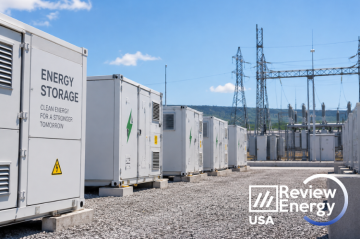
Italy’s energy storage systems, meanwhile, reached 8.1 GW of rated power and 19.54 GWh of storage capacity.
Domestic generation covered 85.7% of electricity demand during the month, while the remaining 14.3% was met through net imports. Net domestic electricity generation reached 25.2 TWh, around 4 TWh more than in August 2025, representing an increase of 14.6%.
Higher electricity imports and increased thermal generation also helped meet the exceptionally high demand peaks recorded during the month.
Industrial electricity consumption increases 1.1%
Higher overall demand was accompanied by an increase in industrial electricity consumption. Terna’s IMCEI index, which tracks electricity use across approximately 1,000 energy-intensive industrial companies, rose 1.1% year-on-year in August.
Between January and August 2026, the index increased by 3.7% compared with the same period in 2025.
Meanwhile, Terna’s Monthly Services Index (IMSER), for which the latest available data refer to June, increased by 0.4% year-on-year, reaching its highest level for the month of June since the series began in 2019.
During the first six months of 2026, the index increased by 1% compared with the same period in 2025.



Comentarios
Sé el primero en comentar...