
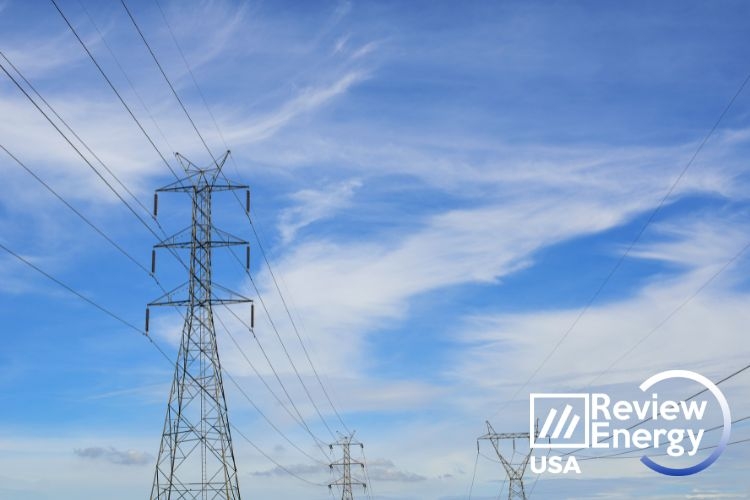


Solar and storage drive growth in U.S. grid interconnection agreements
According to a new Wood Mackenzie report, U.S. grid interconnection agreements reached record highs in 2024, climbing 33% to 75 GW—the highest volume ever recorded. Solar and storage continue to dominate, securing the majority of interconnection deals.
Together, solar and storage technologies captured 75% of all interconnection agreements last year, or 58 GW, and are expected to maintain a similar market share in 2025. Solar alone has accounted for half of all interconnection agreements signed since 2019, a trend that remains steady into 2025.
Natural gas, meanwhile, has seen a surge in interconnection requests since 2022, totaling 121 GW of capacity. That momentum has continued into 2025, with new gas generation requests already breaking annual records by midyear. However, successful gas interconnection agreements have fallen 25% since 2022, mainly across PJM, MISO, and ERCOT.
The growth in interconnection activity has been driven by new federal regulations aimed at streamlining the process. The report, Tracking the progress of U.S. grid interconnection, highlights data from Wood Mackenzie’s Lens Power and Renewables platform showing that FERC Order No. 2023, issued in July 2023, along with other reforms led by Independent System Operators (ISOs), has had a significant impact by reducing speculative projects and easing interconnection backlogs.
Regional operators are also seeing 9% fewer new project submissions and a 51% increase in withdrawals of unviable projects since 2022.
“These reforms are showing promising signs of accelerating the pace of interconnection studies. 2024 was a record year with 75 GW of capacity secured. 2025 is keeping that momentum, with major grid operators already approving 36 GW by July—putting the year on track to match last year’s record,” said Kaitlin Fung, senior research analyst for U.S. utility-scale solar at Wood Mackenzie.
Regional differences
“Interconnection success rates and processing times vary dramatically depending on the operator and region,” Fung added.
The report ranks ERCOT first for both success rates and processing speed thanks to its optimized connection system. ISO-NE comes second in success rates but faces the longest timelines due to its delayed shift from serial to cluster processing. CAISO ranks third, but shows one of the lowest success rates because of its high volume of speculative projects.
“Despite the progress, significant challenges remain,” Fung said. “Natural gas projects are entering interconnection queues at record levels, but the number of signed agreements has dropped since 2022, and regional disparities in processing times highlight the need for further reforms.”


Comentarios
Sé el primero en comentar...