


Turkey could electrify 85% of its energy demand as solar and wind expand
Turkey could electrify 85% of its final energy consumption using technologies already available today, although electricity accounted for only 22% of the country's energy use in 2024, according to a new report published by Ember on October 27, 2026.
The study, titled Türkiye could electrify 85% of its energy use, highlights the substantial potential to replace oil, coal and natural gas with electricity across buildings, transport and industry. However, it warns that the country's rapid growth in electricity consumption has not yet resulted in a significant reduction in fossil fuel dependence.
Between 1990 and 2024, electricity demand increased approximately sevenfold, while its share of final energy consumption rose from 10% to 22%. Over the same period, the contribution of fossil fuels remained almost unchanged, declining only from 70.9% to 70.4%.
According to Ember, much of the growth in electricity consumption has met new energy needs rather than replacing activities previously powered by fossil fuels, highlighting the need for a deeper transformation of Turkey's energy system.
Buildings and transport offer the greatest electrification opportunities
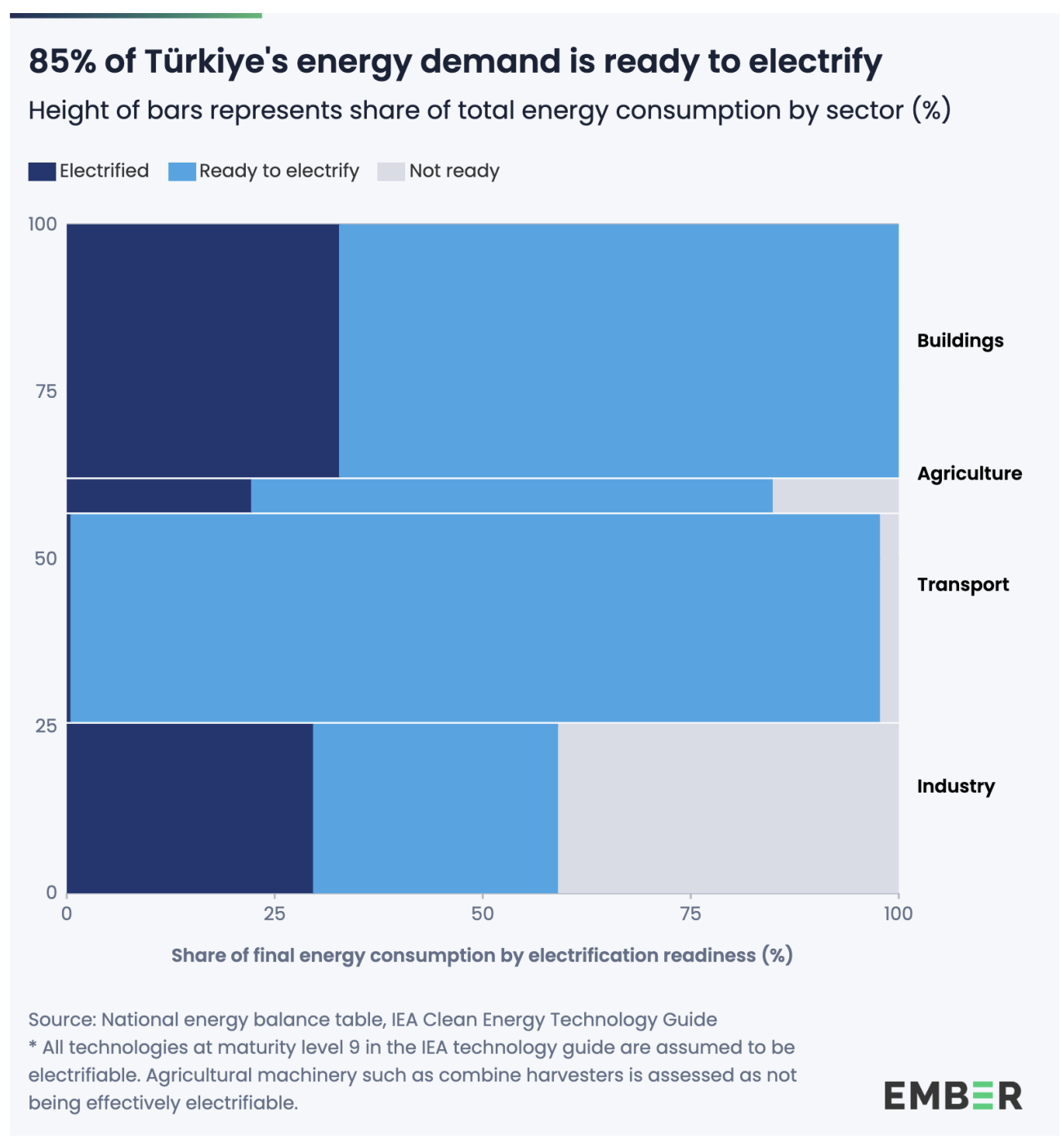
Ember estimates that 100% of energy consumption in buildings, 96% in transport and 58% in industry could be electrified with existing technologies.
In buildings, heat pumps and electric cooking systems could replace fossil fuel-based equipment. Nevertheless, electricity supplied only 32% of the sector's energy consumption in 2024, leaving considerable scope for further electrification.
Industry presents a more complex transition. Around 30% of industrial energy consumption is already electrified, while commercially available technologies can provide process heat at temperatures of up to 200°C. However, the technical and economic feasibility of electrification depends on the characteristics of individual facilities and production processes.
Transport shows the largest gap between technical potential and current adoption. Electricity accounts for less than 1% of the sector's energy consumption, despite the expansion of the electric vehicle market.
Turkey became Europe's fourth-largest electric car market in 2025, with approximately 190,000 vehicles sold. However, Ember notes that rising EV sales have yet to translate into a substantial reduction in the country's overall transport fuel consumption.
Electrification could reach just 24.4% by 2035 under current trends
The report examines Turkey's prospects for achieving the 35% electrification target by 2035, associated with the Global Electrification Pledge announced by the country.
Over the past decade, fossil fuel consumption increased by an average of 2.5% annually, while electricity demand grew by approximately 4%.
If these trends persist, electricity's share of final energy consumption would reach only 24.4% in 2035, around 11 percentage points below the target.
Ember also highlights the limitations of relying on electric passenger vehicles alone. Even if every new car sold from 2027 onwards were electric, EVs would account for 35% of the passenger car fleet by 2035 but supply only 17% of its energy consumption.
Under that scenario, the national electrification rate would increase by just 1.6 percentage points.
The analysis therefore emphasizes that meeting the 35% target will require coordinated action across buildings, industry and transport, rather than relying exclusively on electric vehicle adoption.
An additional 200 GW could be needed in a scenario without fossil fuel reductions
The report also examines the scale of the transition required if Turkey continues increasing its fossil fuel consumption at the current pace while attempting to reach the 35% electrification target.
Under this hypothetical scenario, final electricity consumption would need to reach approximately 790 TWh by 2035, an increase of 480 TWh compared with 2024 and equivalent to 2.6 times the current level.
Supplying this additional demand with the existing generation mix would require around 200 GW of new electricity generation capacity by 2035, according to Ember.
The scenario would also involve 19 million electric passenger cars, 6.5 million electric commercial vehicles, heat pumps installed in 20 million homes and approximately 12 GW of industrial electric heat generation capacity.
However, Ember warns that achieving this scale of expansion under current investment trends would be extremely challenging.
The findings underline the importance of replacing fossil fuel consumption rather than simply increasing electricity supply. Electric technologies typically require two to four times less energy to deliver the same service, meaning widespread electrification can reduce total energy demand.
For example, Ember estimates that replacing Turkey's entire existing passenger car fleet with electric vehicles could reduce the energy required to travel the same distances from approximately 150 TWh to 45 TWh.
Renewable energy expansion will be essential to support electrification
Turkey has made significant progress in renewable electricity generation over the past decade. Between 2015 and 2025, the combined share of solar and wind power in electricity generation increased from 4.5% to 22%, while the overall renewable share rose from 32% to 43%.
However, Ember argues that these gains must extend beyond power generation to reduce direct fossil fuel consumption in the wider economy.
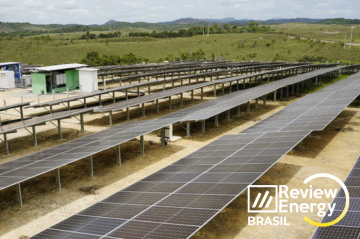
The report highlights Turkey's objective of tripling its installed solar and wind capacity by 2035, from a combined capacity exceeding 40 GW, alongside an estimated 120 GW of rooftop solar potential.
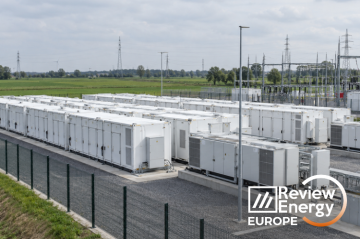
According to the study, rising electricity demand will need to be supported by coordinated investment in renewable generation, transmission and distribution networks, interconnections, battery storage and demand-side flexibility.
Ember also recommends establishing sector-specific electrification roadmaps, adjusting electricity tariff thresholds to encourage heat pump adoption, accelerating the electrification of public and commercial vehicle fleets, and supporting industrial feasibility studies.
In addition, the report points to the European Union's Carbon Border Adjustment Mechanism (CBAM) as another factor encouraging Turkish industries to reduce emissions through electrification and cleaner electricity supplies.
As Turkey hosts COP31 in 2026, the findings highlight a central challenge for its energy transition: turning the rapid expansion of renewable electricity into a broader reduction in fossil fuel consumption.
Ember concludes that accelerating electrification across the economy, alongside renewable generation and grid investments, could strengthen Turkey's energy security, reduce its reliance on imported fuels and support its longer-term decarbonisation ambitions.


Comentarios
Sé el primero en comentar...