


California leaves gas behind as solar energy leads electricity generation in 2026
Utility-scale solar generated more electricity than natural gas in California's power system during the first five months of 2026, according to data from the US Energy Information Administration (EIA). The shift was driven by continued growth in solar and battery storage capacity, while natural gas capacity remained largely unchanged.
Between January and May 2026, utility-scale solar generation in the California Independent System Operator (CAISO) increased by 21% compared with the same period in 2024, while natural gas generation fell by 60%.
Solar generation exceeded natural gas output on a daily basis during 82% of the days in the first five months of 2026, up from 21% in both 2024 and 2025.

Solar and storage capacity continue to expand
The increase reflects significant additions of renewable energy and storage capacity across the state. Between April 2024 and April 2026, utility-scale solar capacity grew by 19% to reach 25 GW, while battery storage capacity expanded by 79% to 16 GW. Over the same period, natural gas capacity remained nearly unchanged at 29 GW.
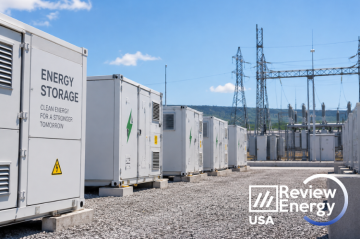
Battery storage has played a key role in supporting higher solar penetration. Often co-located with solar facilities, batteries charge during periods of excess solar production and discharge electricity to the grid during the evening and early morning hours when solar output declines. According to the EIA, battery storage discharge tripled between January and May 2026 compared with the same period in 2024.

Electricity imports double as demand rises
Despite rising solar and battery generation and a 7% increase in electricity demand, net generation within CAISO declined by 19%. The decrease was largely offset by a sharp increase in electricity imports from neighboring regions, which doubled during the period.
The EIA attributed the higher imports to the availability of relatively low-cost electricity from external sources. Hydropower imports from the Pacific Northwest increased as drought conditions eased, while CAISO also began importing electricity from the SunZia wind project in New Mexico starting in April 2026.
In addition, 555 MW of generation capacity was retired in California between May 2024 and May 2025, including a 300 MW battery storage facility that was damaged by a fire in January 2025.
The latest figures highlight the growing role of solar power and battery storage in California's electricity mix, with solar generation increasingly displacing natural gas as a source of power during daylight hours.


Comentarios
Sé el primero en comentar...