
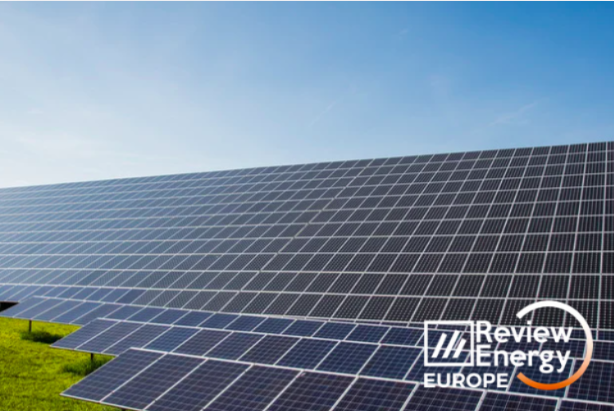


European solar reaches record highs in first half of 2026
Photovoltaic generation reached a record level across the European Union during the first half of 2026, extending a growth trend that has seen solar electricity output increase by 254% since 2015, according to an analysis by the Fraunhofer Institute for Solar Energy Systems ISE based on data from the Energy Charts platform.
The report highlights that Germany also posted record solar generation during the period, with 43.2TWh of electricity generated from photovoltaics, up 10% from 39.3TWh in the first half of 2025. Wind power also increased, with offshore generation rising from 11.4TWh to 14.6TWh and onshore output climbing from 48.7TWh to 52.8TWh. As a result, wind accounted for 30% of Germany's net public electricity generation, up from 28.8% a year earlier.
Overall, renewable energy sources supplied 61.1% of Germany's net public electricity generation—the electricity mix delivered to consumers—during the first six months of 2026. The share of renewables in total electricity load, which includes consumption and transmission losses, reached a record 58.5%, up from 55% in the same period of 2025. At the same time, the overall share of renewables in net public electricity generation remained broadly stable at 61.8%, compared with 61.3% a year earlier.
Not all renewable technologies recorded growth. Hydropower generation declined slightly to 7.8TWh, its lowest level since 2015, down from 8.1TWh in the first half of 2025. Biomass generation also edged lower, falling from 18.3TWh to 17.9TWh. Meanwhile, electricity generation from fossil fuels—including natural gas, lignite and hard coal—increased by 6% year-on-year to 78.6TWh.
According to Fraunhofer ISE, the growing contribution of wind and solar generation has led to an increasing number of hours with negative day-ahead electricity prices, reflecting periods when renewable output exceeds demand. While Germany expanded its battery storage capacity from 25.4GWh to 29.3GWh during the first half of the year—bringing more large-scale battery storage online than in the whole of 2025—the institute said a significant storage gap remains, highlighting the need for additional flexibility and intraday storage to better manage surplus electricity.
The report also points to a sharp reduction in Germany's electricity imports. Net imports fell to 1.3TWh in the first half of 2026, compared with 9.6TWh a year earlier. Germany imported electricity mainly from Denmark (8TWh), the Netherlands (5.3TWh), France (5.1TWh), Belgium (3.1TWh) and Norway (2.9TWh), while exports were primarily directed to Austria (5.7TWh), Denmark (5.5TWh), the Netherlands (4.8TWh), the Czech Republic (3.3TWh) and Poland (2.9TWh).
Germany also continued expanding its photovoltaic fleet during the period, adding 7GWp of installed solar capacity. This included 2.1GWp of rooftop systems of up to 30kWp, 1.1GWp in the 30–100kWp segment and 3.5GWp of ground-mounted installations. Total installed PV module capacity increased from 118GWp to 124.9GWp, while installed inverter capacity rose from 107.7GW to 113.9GW. However, a joint analysis by Agora Energiewende and Fraunhofer ISE warned that proposed amendments to Germany's Renewable Energy Sources Act (EEG) could reduce the economic viability of smaller rooftop PV systems under current market conditions.
The analysis also found that strong renewable generation helped shield electricity prices from higher gas costs triggered by the war in Iran, which began on 28 February. Natural gas prices rose 48% between February and March, while the marginal cost of gas-fired power generation increased 39% to €132.87/MWh. Despite this, wholesale electricity prices fell to €95.58/MWh after the conflict began and dropped a further 27.7% in April, as low-cost renewable generation displaced more expensive fossil-fuel generation in the market. According to Leonhard Gandhi, project manager of Energy Charts, electricity prices on the exchange would have been 76% higher in April without the contribution of renewable energy sources.

Comentarios
Sé el primero en comentar...