


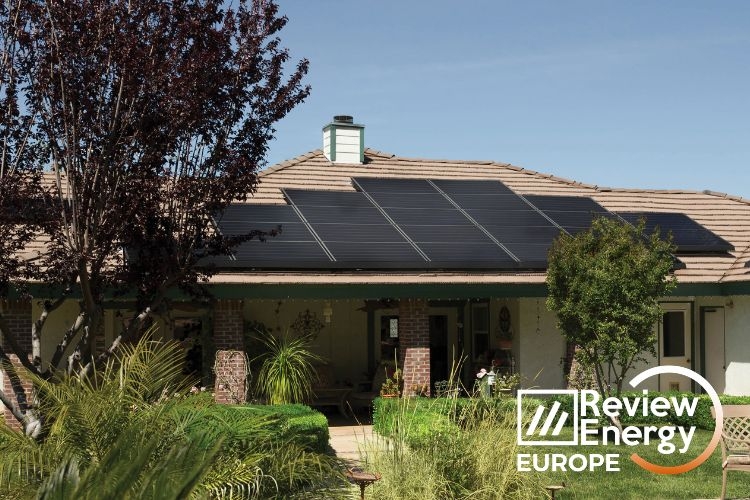


France’s electricity self-consumption rises 14% since 2020
Electricity self-consumption in France reached 5.3 TWh in 2024, up 14% from 2020, with growth largely driven by photovoltaics, according to data published by France’s Ministry for Ecological Transition’s Statistical Service (SDES) on 2 October. Photovoltaic self-consumption rose eightfold between 2020 and 2024 to 1.8 TWh, while thermal generation remained the largest source at 3.5 TWh.
Photovoltaics accounted for 33% of total electricity self-consumption in 2024, compared with 5% in 2020. The increase coincided with strong growth in installed solar capacity, which reached 24.9 GW in 2024, up from less than 11 GW in 2020. The capacity of photovoltaic installations that self-consume all or part of their production also increased tenfold over the period, from 0.4 GW at the end of 2020 to 4.2 GW at the end of 2024.
Thermal generation, meanwhile, accounted for 65% of electricity self-consumption in 2024, although the volume has fallen by an average of 6% per year since 2020. Thermal self-consumption stood at 3.5 TWh in 2024, down from its previous levels as nuclear generation recovered from 2023 and reduced the use of thermal power plants.
Within thermal generation, cogeneration installations were responsible for 2.8 TWh, or 82% of thermal self-consumption. In 2024, 56% of self-consuming thermal power plants used gas, while 35% used renewable fuels such as waste, biomass and biogas, and 9% used other fossil fuels, including coal and oil.
Self-consumption was mainly associated with facilities whose primary activity is not electricity generation. These auto-producers accounted for 93% of total electricity self-consumption, or 4.9 TWh, in 2024. In thermal cogeneration, industrial facilities in the food sector and other manufacturing industries, together with waste collection and treatment facilities, represented 87% of self-consumption.
Geographically, 98% of electricity self-consumption took place in metropolitan France. Photovoltaic self-consumption was concentrated in the south, with Occitanie, Nouvelle-Aquitaine and Provence-Alpes-Côte d’Azur together accounting for 50% of the photovoltaic total. Thermal self-consumption was more concentrated in northern regions, with Hauts-de-France, Normandy and Grand Est representing 48% of thermal self-consumption.
The SDES defines electricity self-consumption as the difference between an installation’s net electricity production and the electricity it sells, either to the public grid or outside it. It can be total, when all electricity produced is consumed on site, or partial, when part of the production is injected into the grid.


Comentarios
Sé el primero en comentar...