


Germany leads the way: Europe's solar generation is projected to jump by 50 TWh in 2024
Despite a remarkable expansion of 60 gigawatts direct current (GWDC) in solar PV capacity in 2023, Europe's solar power generation only saw a modest uptick of around 20%. However, this year promises a different narrative.
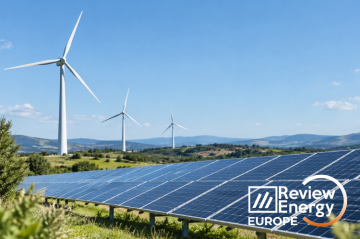
According to Rystad Energy, solar photovoltaic (PV) energy is poised to surge by approximately 50 TWh in 2024, surpassing all other generation sources for the first time. This growth is attributed to significant capacity installations across the region, led by Germany.
Additionally, there are expectations of an increase in wind power generation in 2024, although not at the same rate as in 2023, when wind energy output rose by 50 TWh due to additional capacity installations and favorable wind conditions, particularly in the last quarter.
According to Rystar Energy, in 2023, Germany shifted from being a major electricity exporter to a net importer. Amid nuclear power plants closing, low solar energy generation, and cheaper electricity available from other markets, Germany's conventional coal generation was less than in previous years . As a result, Germany relied increasingly on imports from France and Denmark. This highlighted the importance of diversifying energy sources to ensure energy security and reduce reliance on imports.
Now, Germany is set to take the lead in the European solar power market adding more capacity than any other country in 2024 , continuing the trend of 2023. Furthermore, this year is expected to witness a significant improvement in solar radiation, marking a return to the norm after a relatively poor showing in the previous year.
During 2023, Germany witnessed a record-breaking growth of over 14 GWDC, majorly driven by the installation of rooftop PV systems. About 6.5 GWDC of rooftop solar has been installed in Germany for residential use, powering approximately 1.3 million households annually. Another 3.5 GWDC has been installed in the commercial and industry (C&I) sector, and more than 70% of the added capacity was from rooftop installations, which played a crucial role in the growth of solar PV in Germany and Europe.
Rystad Energy expects continued strong additions from renewables during 2024 with solar leading growth for the first time both in terms of capacity and generation. Combined with more stable output from nuclear generation, we anticipate this will lead to a further decline in fossil fuel demand for power.
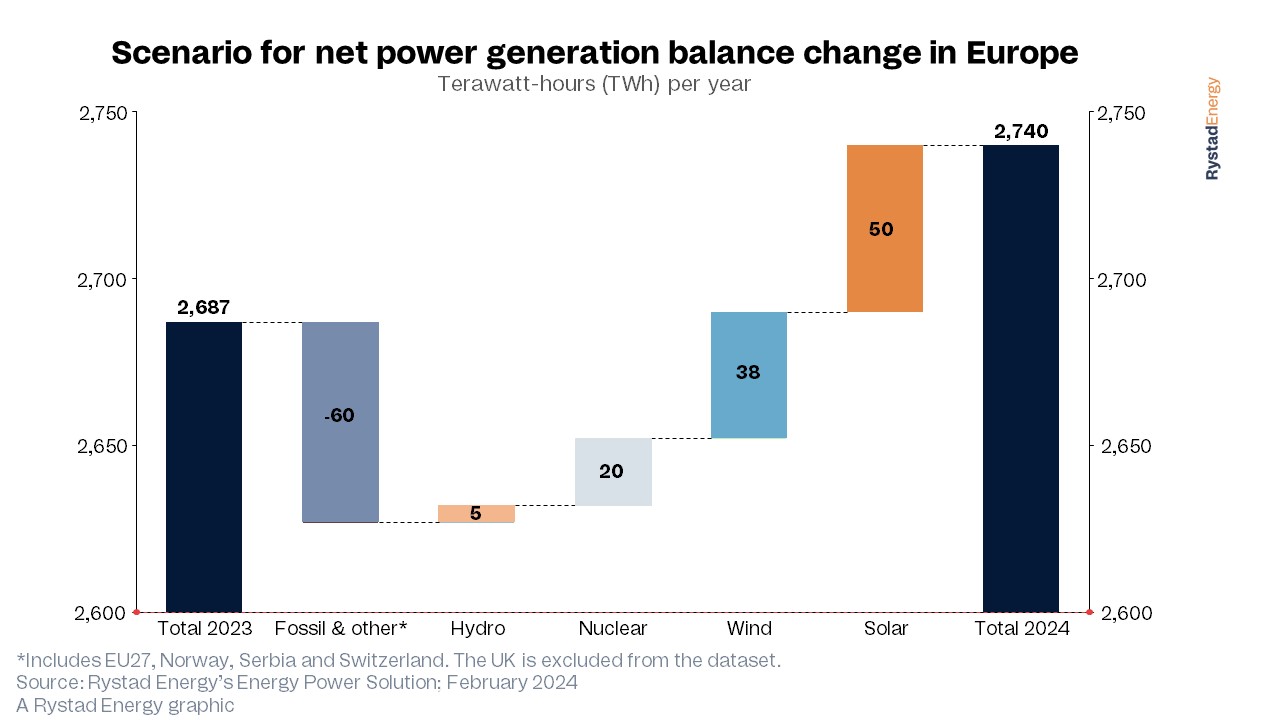
"As the demand for power in Europe is only growing slightly, we can conclude that Europe is fulfilling its electricity demand growth entirely with renewable sources. This indicates that the growth of renewable energy is more than sufficient to cover the growth in demand, which is why we are observing a decline in the use of fossil fuels," Vegard Wiik Vollset, Head of Renewables & Power EMEA Research said.
As new capacity is added throughout Europe, it is expected that the generation of wind power will increase by 38 TWh in 2024. However, the expected capacity additions are only around 25 GW, which is far less than what is required for Europe to achieve its ambitious decarbonization targets, Rystad Energy explained.


Comentarios
Sé el primero en comentar...